
Wabi Sabi art has become one of the most sought-after styles in modern interior design. Unlike decorative trends that focus on perfection, symmetry, and luxury, Wabi Sabi art embraces imperfection, authenticity, simplicity, and the beauty of natural aging.
Today, homeowners, interior designers, hotels, and luxury property developers are increasingly choosing Wabi Sabi paintings to create spaces that feel calm, sophisticated, and deeply human.
Whether you're decorating a minimalist living room, a boutique hotel, or a contemporary office, understanding Wabi Sabi can help you select artwork that brings timeless character to your space.
What Is Wabi Sabi Art?
Wabi Sabi art is inspired by the Japanese philosophy of Wabi-Sabi, a worldview that appreciates the beauty found in imperfection, transience, and simplicity.
Rather than pursuing flawless aesthetics, Wabi Sabi celebrates:
- Natural textures
- Organic forms
- Earthy color palettes
- Handcrafted details
- Signs of age and character
- Quiet elegance
The philosophy has roots in Zen Buddhism and traditional Japanese aesthetics, emphasizing mindfulness and acceptance.
According to The Metropolitan Museum of Art, Wabi Sabi encourages people to appreciate objects that reveal the passage of time and the uniqueness of handmade craftsmanship.
In modern interiors, this philosophy translates beautifully into textured abstract paintings, neutral-toned artworks, and handcrafted oil paintings.
Why Is Wabi Sabi Art So Popular in Interior Design?
Modern life is often filled with digital screens, fast trends, and mass-produced products.
Wabi Sabi offers the opposite.
People are drawn to Wabi Sabi wall art because it creates spaces that feel:
| Design Benefit | Emotional Effect |
|---|---|
| Natural textures | Warmth and comfort |
| Neutral colors | Calmness and relaxation |
| Handmade details | Authenticity |
| Organic composition | Visual balance |
| Imperfect surfaces | Character and uniqueness |
Designers frequently use Wabi Sabi paintings to soften modern architecture and create a more inviting atmosphere.
This is especially popular in:
- Luxury homes
- Boutique hotels
- Model homes
- High-end apartments
- Wellness spaces
- Modern offices
What Does Wabi Sabi Artwork Look Like?
Many people recognize Wabi Sabi art before they understand its philosophy.
Typical characteristics include:
Neutral Earth-Tone Colors
Common shades include:
- Beige
- Sand
- Ivory
- Cream
- Taupe
- Warm gray
- Soft brown
These colors blend naturally with contemporary interiors.
Rich Surface Texture
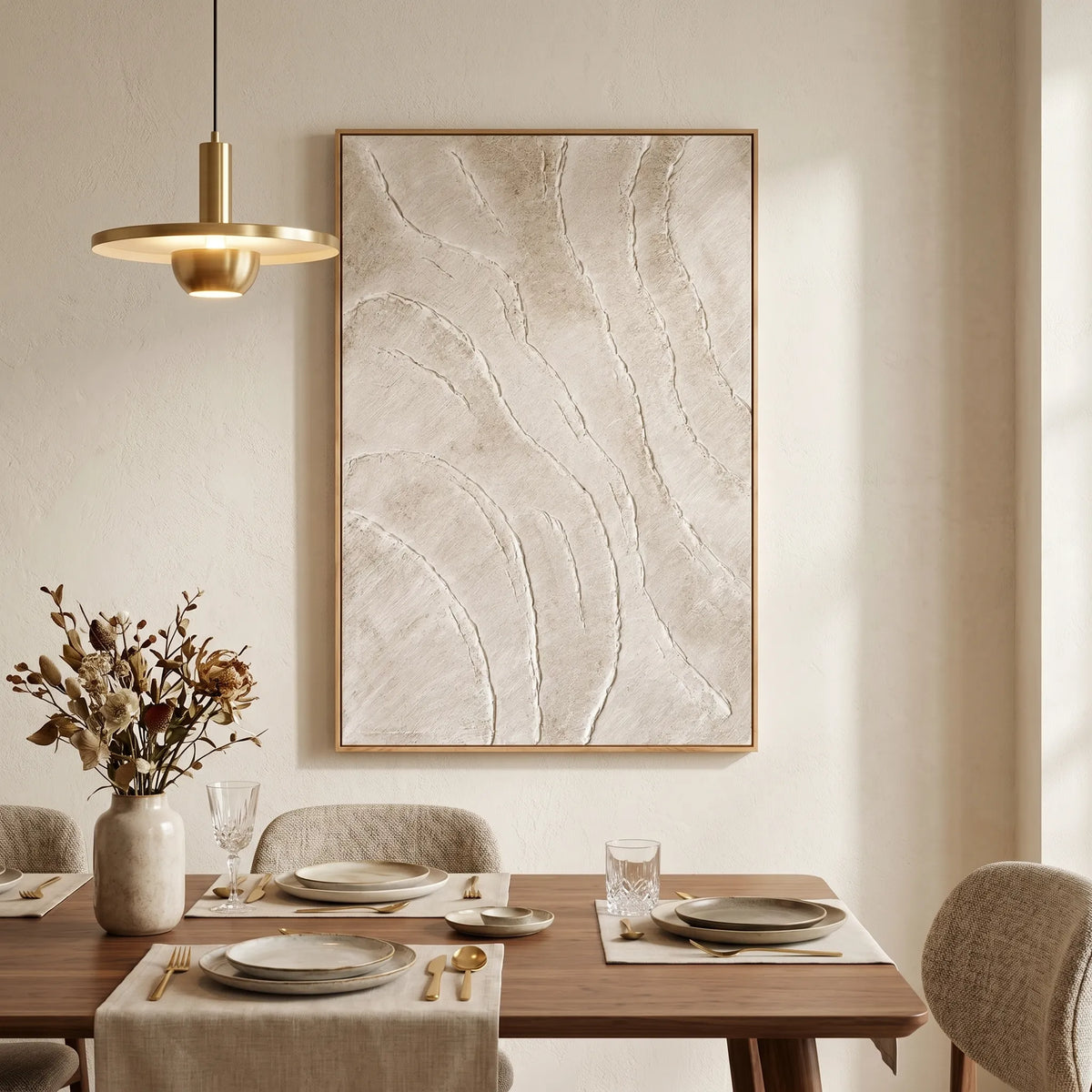
Texture is one of the defining features of modern Wabi Sabi paintings.
Artists often create:
- Heavy impasto effects
- Layered palette knife work
- Sand-like surfaces
- Organic relief patterns
- Three-dimensional textures
These tactile elements create visual depth and interest.
Organic Shapes
Instead of geometric perfection, Wabi Sabi art favors:
- Curved forms
- Natural movement
- Asymmetry
- Irregular compositions
This makes each piece feel more alive and unique.
How Does Wabi Sabi Art Improve a Living Space?
Artwork influences more than decoration—it affects how people feel inside a room.
Wabi Sabi paintings help create:
A More Relaxing Environment
Neutral colors reduce visual clutter and promote a sense of calm.
Greater Design Sophistication
Because Wabi Sabi relies on subtle details rather than bold trends, it often feels more luxurious and timeless.
Visual Texture Without Overwhelming the Room
Many homeowners struggle with walls that feel empty but don't want excessive decoration.
Textured Wabi Sabi art provides depth without visual noise.
Better Connection to Natural Materials
The handcrafted nature of textured oil paintings introduces warmth that complements:
- Wood furniture
- Stone surfaces
- Linen fabrics
- Natural lighting
Which Rooms Are Best for Wabi Sabi Paintings?
Wabi Sabi wall art works particularly well in spaces designed for comfort and reflection.
Living Rooms
Large textured paintings create a focal point while maintaining a calm atmosphere.
Browse Rosemary Art's collection of Wabi Sabi-inspired paintings:
Rosemary Art Textured Paintings Collection
Bedrooms
Soft neutral artworks support restful environments and pair beautifully with minimalist decor.
Dining Rooms
Organic textures add warmth and sophistication to dining spaces without becoming distracting.
Hotel Projects
Hotels increasingly use handmade textured artwork to create memorable guest experiences.
Explore custom hospitality artwork:
Custom Handmade Oil Paintings by Rosemary Art
Commercial Spaces
Reception areas, executive offices, and luxury retail spaces benefit from the understated elegance of Wabi Sabi art.

Why Choose Handmade Wabi Sabi Oil Paintings Instead of Prints?
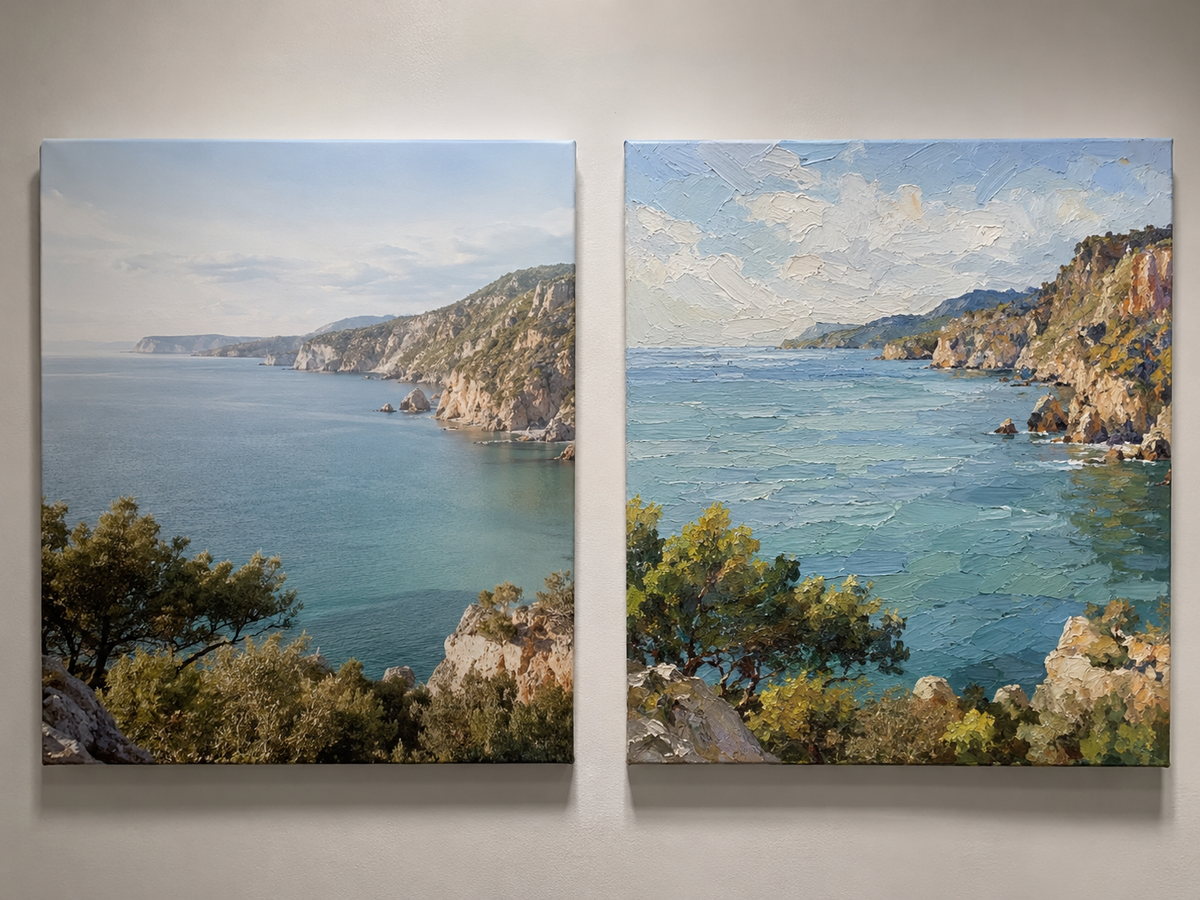
While printed artwork can replicate the appearance of texture, it cannot fully reproduce the depth and character of an original handcrafted painting.
Handmade Oil Paintings Offer:
- Authentic texture
- Visible brushwork
- Unique artistic details
- Greater visual depth
- Higher perceived value
- One-of-a-kind character
How to Choose the Right Wabi Sabi Painting Size?
Choosing the correct size is just as important as selecting the artwork itself.
Recommended Wall Coverage
| Space | Suggested Artwork Width |
|---|---|
| Above Sofa | 60%–75% of sofa width |
| Above Bed | 60%–70% of bed width |
| Dining Room | 50%–70% of wall width |
| Hotel Lobby | Large statement piece |
Popular Sizes
- 40 × 60 inches
- 48 × 72 inches
- 60 × 90 inches
- Custom oversized paintings
For large residential and commercial projects, custom sizing often delivers the most balanced result.
Why Are Textured Wabi Sabi Paintings a Long-Term Investment?
Unlike trend-driven artwork, Wabi Sabi paintings are rooted in timeless principles.
They continue to complement evolving interiors because they emphasize:
- Simplicity
- Authenticity
- Natural beauty
- Emotional connection
As interior design trends increasingly favor organic modern and quiet luxury aesthetics, Wabi Sabi art remains highly relevant.
The design philosophy is also frequently referenced by institutions such as The Smithsonian Institution and leading interior design publications, reinforcing its enduring influence.
Conclusion
Wabi Sabi art is much more than a decorative style. It is a philosophy that celebrates authenticity, imperfection, and the quiet beauty of handcrafted objects.
Whether you're decorating a luxury home, boutique hotel, or commercial space, handmade textured paintings can introduce warmth, depth, and timeless sophistication.
For collectors, designers, and property developers seeking truly distinctive artwork, Wabi Sabi paintings offer an elegant alternative to mass-produced wall decor.
Frequently Asked Questions (FAQ)
What is the meaning of Wabi Sabi art?
Wabi Sabi art is based on a Japanese philosophy that values imperfection, simplicity, natural beauty, and the passage of time. It emphasizes authenticity rather than perfection.
What colors are commonly used in Wabi Sabi paintings?
Typical Wabi Sabi colors include beige, cream, ivory, taupe, warm gray, sand, and muted earth tones.
Is Wabi Sabi art suitable for modern homes?
Yes. Wabi Sabi artwork pairs exceptionally well with modern, minimalist, Scandinavian, Japandi, and organic contemporary interiors.
Are textured paintings considered Wabi Sabi art?
Many textured abstract paintings embody Wabi Sabi principles because they showcase handcrafted details, natural imperfections, and tactile surfaces.
Where should I hang Wabi Sabi wall art?
Popular locations include:
- Living rooms
- Bedrooms
- Dining rooms
- Hotel lobbies
- Reception areas
- Executive offices
Why choose handmade Wabi Sabi paintings?
Handmade paintings provide authentic texture, unique craftsmanship, and visual depth that cannot be fully replicated by printed artwork.