
When walking through a beautifully designed living room or a minimalist office lobby, one element consistently steals the show: Abstract Art. But for many new buyers, the first question remains, "What is abstract art, and why would I hang it on my wall?"
If you are looking to elevate your interior design, understanding abstract art is no longer just a hobby—it is a must-have for decorating spaces in the modern era. Here is your complete guide to understanding, buying, and styling abstract art.
Defining Abstract Art: More Than Just Shapes
At its core, abstract art is a visual language. Unlike traditional landscape or portrait painting, abstract art does not attempt to represent an accurate reality. Instead, it uses a vocabulary of colors, shapes, forms, and gestural marks to achieve its effect.
-
The Spectrum: It ranges from cubism (fragmented objects) to abstract expressionism (spontaneous brushwork) and minimalism (simple geometric forms).
-
The Feeling: Abstract art prioritizes emotion over documentation. It asks the viewer to feel rather than to simply see.
Why Abstract Art Is a Must-Have for Decorating Spaces
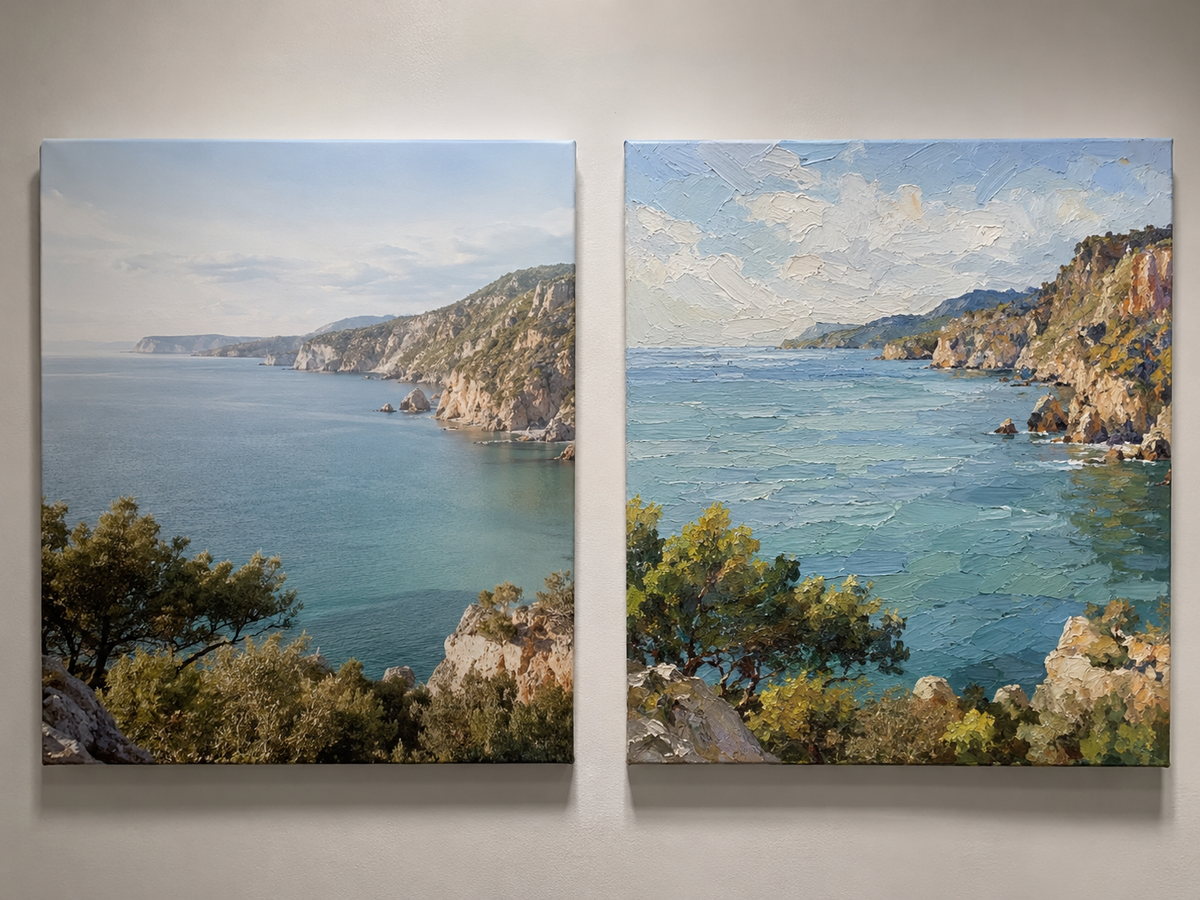
You might love a realistic seascape, but abstract art offers unique advantages that make it superior for contemporary decorating.
1. The Ultimate "Focal Point"
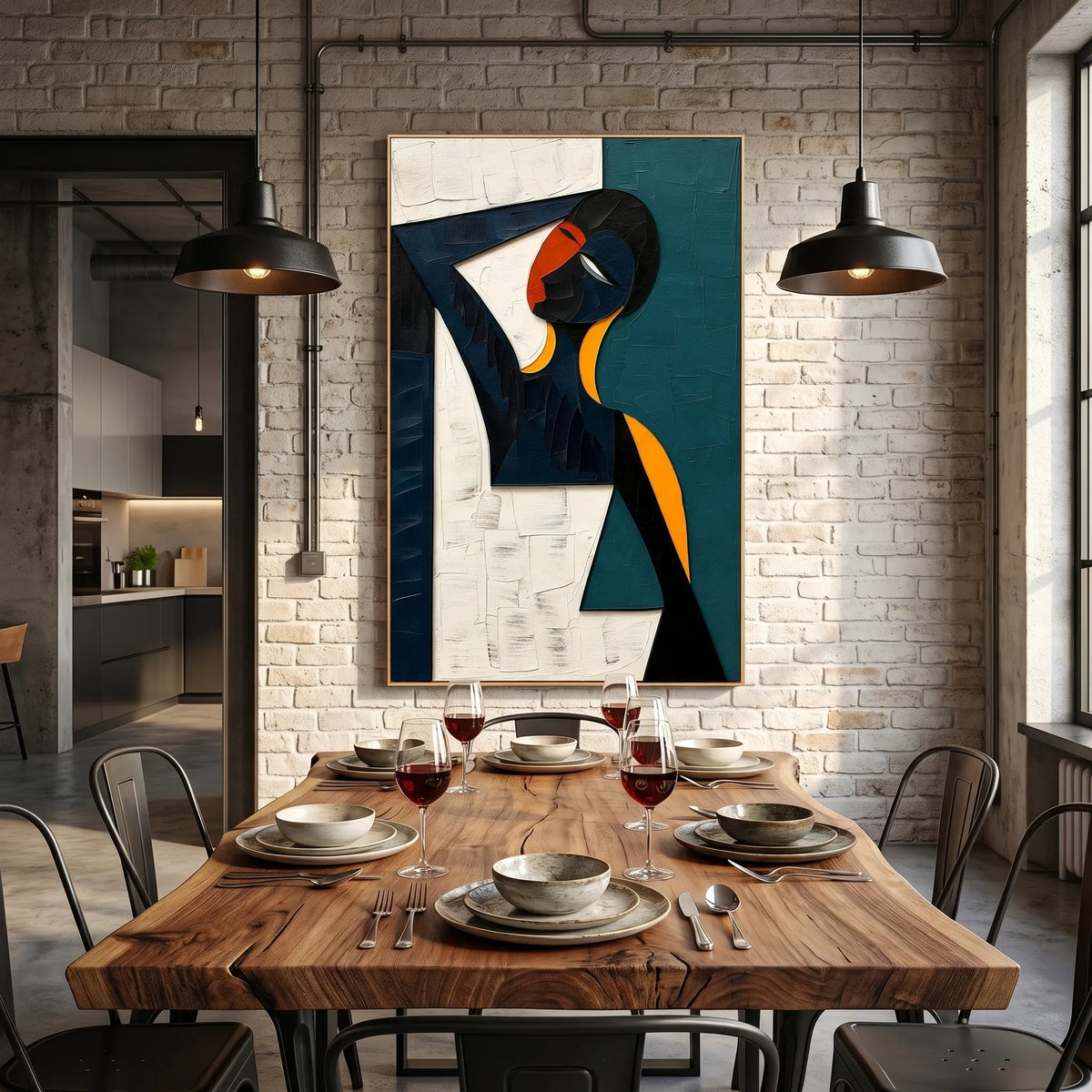
In interior design, every room needs a hero. Abstract art, due to its bold forms and often large scale, naturally draws the eye. It anchors a room, giving the eye a place to rest—or to wander.
2. Unlimited Color Palettes
Are you decorating a beige "greige" living room? A burst of primary yellow abstract painting creates energy. A blue and gray minimalist abstract piece induces calm. Abstract art allows you to introduce your accent colors without committing to painting a wall.
3. Conversation Starter
Because abstract art is open to interpretation, it sparks dialogue. Guests will ask, "What do you see?" This interaction makes your space feel intellectual, curated, and personal.
4. It Hides Nothing (And That’s Good)
Abstract art is honest. It doesn't rely on perfect perspective or recognizable subject matter. This makes it incredibly forgiving and versatile. It looks stunning in rustic farmhouses, industrial lofts, and high-gloss modern apartments alike.
How to Choose Abstract Art for Your Home
Buying abstract art can feel intimidating, but it is actually more intuitive than buying realism. Follow this simple rule: The 3-Foot Rule.
-
Step close (3 feet): Look at the texture, the brush strokes, and the specific technique. Does the craft interest you?
-
Step back (10 feet): Look at the composition. Does the energy or calmness of the piece fit the vibe of your room?
Pro Tip: Don't worry about "understanding" it. If the color makes you happy or the shape intrigues you, it belongs on your wall.
Styling Guide: Where to Put Abstract Art
To maximize the impact of this decorating must-have, placement is key.
| Space | Recommendation | The "Why" |
|---|---|---|
| Living Room | One large statement piece above the sofa. | Creates balance and a luxury hotel feel. |
| Home Office | Monochromatic abstract (black, white, gray). | Increases focus without visual noise. |
| Bedroom | Soft, fluid shapes in cool tones (blues, greens). | Promotes relaxation and dreams. |
| Hallways | A gallery wall of smaller abstract prints. | Turns a dead space into a museum corridor. |
Canvas vs. Paper vs. Metal
Abstract art is no longer limited to canvas. Consider your space’s humidity and light:
-
Canvas: The classic choice. Warm and textured. Best for living rooms.
-
Framed Paper: Great for gallery walls. Requires glass, so avoid in high-moisture bathrooms.
-
Metal/ Acrylic: Modern and glossy. Perfect for industrial or high-tech spaces, but avoid direct sunlight to prevent glare.
Conclusion: Your Walls Are Waiting
So, what is abstract art? It is freedom. It is the bridge between furniture and architecture. It is the easiest way to inject personality, color, and scale into a room.
Whether you buy an original from a local artist or a high-quality print, abstract art remains the ultimate must-have for decorating spaces because it never goes out of style. It adapts to you, your mood, and your changing tastes.
Ready to transform your space? Look for a piece that makes your pulse quicken—even if you can't explain why. That is the power of abstraction.
Frequently Asked Questions
Q: Is abstract art easy to decorate with?
A: Absolutely. Because it is non-representational, it clashes less with existing furniture than a realistic painting of a specific era or location might.
Q: Does abstract art hold its value?
A: While not all prints hold value, original works by emerging artists can appreciate. However, the primary value of decorative abstract art is the joy and aesthetic it brings to your daily life.
Q: Can I mix abstract art with traditional furniture?
A: Yes! This is called "eclectic design." A traditional Chesterfield sofa paired with a massive, chaotic abstract painting creates incredible visual tension and interest.