
Modern decorative paintings have become one of the easiest ways to change the feeling of a room without replacing furniture, repainting walls, or redesigning the entire space. The right painting can make a living room feel more refined, help a bedroom feel calmer, bring energy into an office, or turn an empty wall into a meaningful focal point.
But choosing modern wall art is not only about finding a beautiful image. A painting needs to work with the room's color palette, furniture scale, lighting, mood, and daily use. A bold abstract painting may be perfect above a sofa, while a quiet minimalist piece may be better for a bedroom or reading corner.
This guide explains the most popular types of modern decorative paintings, from abstract art to minimalism, and how to choose the right style for your home. If you are looking for expressive, hand-painted pieces with contemporary color, movement, and texture, explore Rosemary Art's curated abstract art collection.
What Are Modern Decorative Paintings?
Modern decorative paintings are artworks chosen not only for artistic expression, but also for how they improve a space. They help define the atmosphere of a room, connect furniture and color choices, and give the interior a more finished look.
In modern homes, decorative paintings often feature simplified forms, expressive color, texture, clean composition, or abstract movement. They may be bold and energetic, soft and neutral, highly textured, geometric, monochrome, or extremely minimal.
The best modern decorative paintings do three things at once:
- They create a clear focal point.
- They support the mood of the room.
- They feel personal rather than generic.
1. Abstract Paintings: Best for Movement, Color, and Emotion
Abstract art is one of the most versatile choices for modern interiors because it does not rely on realistic subjects. Instead of showing a literal landscape, portrait, or object, abstract paintings use color, line, shape, and texture to create feeling.
This makes abstract art especially useful when you want a room to feel expressive without becoming too themed. A blue abstract painting can feel calm and fluid. A black-and-white abstract painting can feel architectural. A colorful abstract canvas can bring energy into a neutral room.
Abstract paintings work especially well in:
- Living rooms that need a strong focal point
- Dining rooms that need more personality
- Offices or studios where creativity matters
- Entryways where you want immediate visual impact
- Large walls that feel empty or unfinished
When choosing abstract art, pay attention to movement. Some paintings feel quiet and balanced, while others feel bold and dynamic. Choose the emotional rhythm that matches the room.
2. Minimalist Paintings: Best for Calm, Space, and Simplicity
Minimalist paintings focus on restraint. They may use simple lines, muted colors, negative space, soft texture, or a limited palette. Instead of demanding attention, minimalist art helps a room breathe.
This style is ideal for interiors that already have strong furniture, sculptural lighting, natural materials, or a quiet color palette. A minimalist painting can add depth without making the room feel busy.
Minimalist wall art works beautifully in:
- Bedrooms
- Reading corners
- Hallways
- Spa-like bathrooms
- Calm living rooms
- Modern apartments with clean lines
The key is not to confuse minimalism with emptiness. A good minimalist painting still has composition, balance, and intention. It may be simple, but it should not feel random.
3. Geometric Paintings: Best for Structure and Modern Architecture
Geometric decorative paintings use shapes, lines, grids, curves, or repeated forms. They bring structure to a room and pair well with modern, industrial, mid-century, and contemporary interiors.
If your furniture has clean lines, metal accents, or architectural shapes, geometric art can reinforce that design language. It can also bring order to a room that has many soft textures, such as boucle, linen, wool, or rounded furniture.
Choose geometric paintings when you want:
- A polished modern look
- Strong visual organization
- A piece that feels architectural
- Art that pairs well with black, white, gray, wood, and metal
For a softer look, choose geometric art with muted colors or textured surfaces. For a more dramatic look, choose high contrast, oversized shapes, or black-and-white compositions.
4. Textured Paintings: Best for Depth and a Handcrafted Feeling
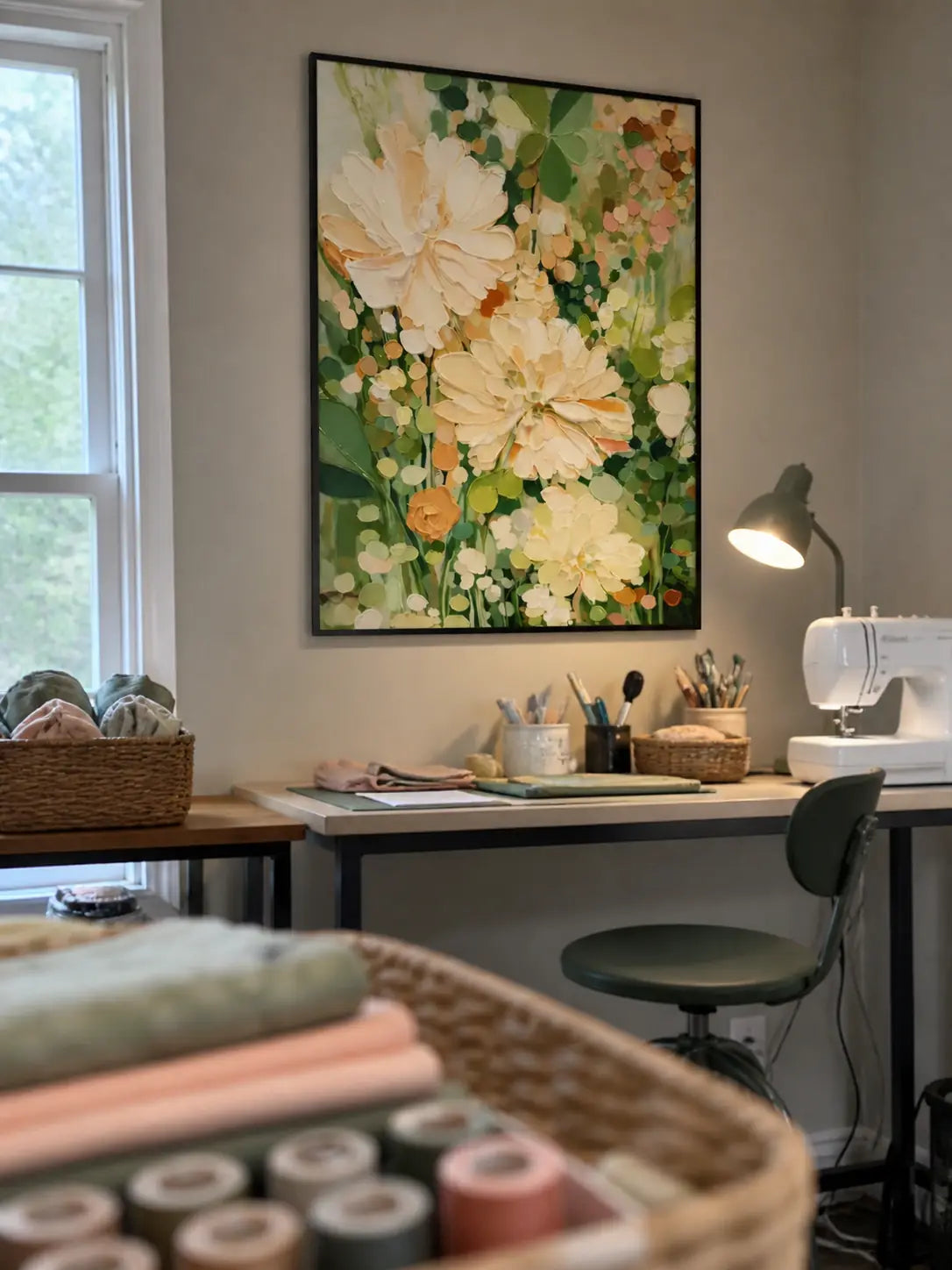
Texture is one of the strongest trends in modern decorative art because it adds physical presence. A textured painting does not just show an image; it changes with light, shadow, and viewing angle.
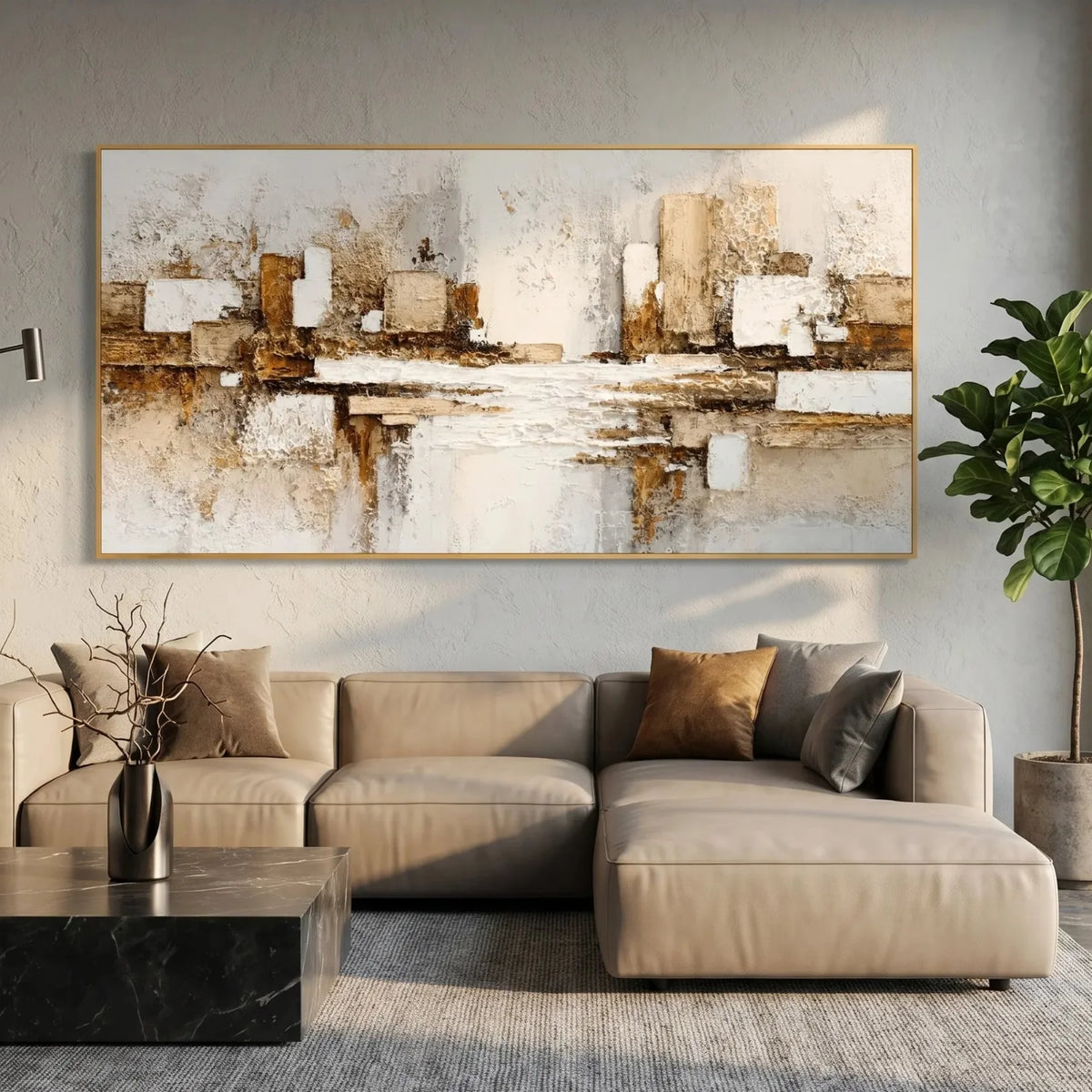
Raised brushstrokes, palette knife marks, plaster-like surfaces, impasto layers, and sculptural paint can make a wall feel more dimensional. This is especially valuable in neutral interiors, where texture can create richness without relying on bright color.
Textured paintings are a strong choice for:
- Large living room walls
- Luxury interiors
- Neutral color schemes
- Organic modern homes
- Wabi-sabi inspired spaces
- Rooms with natural materials like stone, linen, and wood
If your room already has many patterns, choose subtle texture. If your room is very simple, a bolder textured painting can become the main design statement.
5. Monochrome Paintings: Best for Sophistication and Contrast
Monochrome paintings use one dominant color family, often with variations in tone, shade, or texture. Black-and-white paintings are the most common, but monochrome art can also be beige, gray, blue, brown, or cream.
This style is useful when you want art that feels elegant but not visually overwhelming. A monochrome painting can add contrast to a light room, calm down a colorful room, or bring a gallery-like feeling to a modern space.
Black-and-white abstract paintings are especially effective above sofas, consoles, and beds because they create contrast without clashing with existing decor.
6. Colorful Modern Paintings: Best for Energy and Personality
Colorful paintings can completely change the mood of a room. They are ideal for interiors that feel too plain, too neutral, or too predictable.
A colorful abstract painting can introduce warmth, creativity, playfulness, or drama. The key is to choose color intentionally. You do not need to match every pillow, rug, or accessory. Instead, the painting should connect with the room through one or two shared tones.
For example:
- Blue and green art can make a room feel calm and natural.
- Red, orange, and gold can add warmth and energy.
- Pink, lavender, or soft yellow can make a space feel lighter and more expressive.
- Black accents can ground a colorful composition.
If you are unsure, start with a painting that includes both neutral tones and one stronger accent color. This gives the room personality without making it difficult to style.
How to Choose the Right Modern Painting for Your Room
Start With the Mood You Want
Before choosing a style, ask what the room should feel like. Calm? Creative? Elegant? Warm? Dramatic? Spacious?
For a calm room, choose minimalist, neutral, or soft abstract art. For a lively room, choose colorful abstract or expressive textured art. For a refined room, choose monochrome, geometric, or large-scale abstract art.
Mood matters more than trend. A painting that supports how you want to feel in the room will last longer than one chosen only because it is popular.
Match the Scale to the Furniture
One of the most common mistakes is choosing art that is too small. Above a sofa, bed, console, or dining cabinet, the artwork should usually be about two-thirds to three-quarters the width of the furniture below it.
If the painting is too small, it may look disconnected. If it is too large, it can overwhelm the furniture. For very wide walls, consider one oversized canvas, a diptych, or a set of two or three coordinated pieces.
Consider the Wall Color
Wall color affects how a painting appears. On white or light walls, bold abstract art creates contrast and energy. On darker walls, lighter paintings can stand out beautifully. On beige, cream, or gray walls, textured and monochrome paintings can feel especially elegant.
If your wall is already colorful, choose artwork with quieter tones or a palette that repeats the wall color subtly.
Think About Lighting
Natural light can make texture and color feel more alive. Warm evening light can deepen earth tones and gold accents. Cool light can make blue, gray, and black-and-white artwork feel sharper.
If a painting has heavy texture, avoid placing it where harsh glare will flatten the surface. Side lighting or soft picture lighting can make textured art look more dimensional.
Room-by-Room Placement Ideas
Living Room
The living room is the best place for a larger statement painting. Abstract art, textured canvas, or geometric wall art can anchor the main seating area. Hang the painting above the sofa, fireplace, or console table, keeping the center around eye level.
Bedroom
Bedrooms usually benefit from calmer art. Minimalist paintings, soft abstracts, neutral textures, and monochrome pieces work well above the bed. Avoid overly aggressive colors if you want the room to feel restful.
Dining Room
Dining rooms can handle more drama. A large abstract or textured painting can make the room feel curated and complete. Choose art that adds atmosphere without distracting from conversation.
Home Office
For a home office, choose art that supports focus and creativity. Geometric art can feel structured, while abstract art can feel imaginative. Avoid pieces that feel too visually chaotic if the room is used for concentrated work.
Entryway
The entryway sets the tone for the whole home. A vertical abstract painting, monochrome canvas, or textured modern piece can create a polished first impression.
Common Mistakes When Choosing Decorative Paintings
Avoid choosing artwork only because it matches the sofa. Matching can be useful, but art should add depth, not disappear into the room.
Avoid hanging art too high. In most spaces, the center of the painting should sit near eye level. Above furniture, leave enough breathing room between the furniture and the artwork so they feel connected.
Avoid using too many unrelated styles in one room. You can mix art, but there should be a common thread, such as color, texture, frame style, or mood.
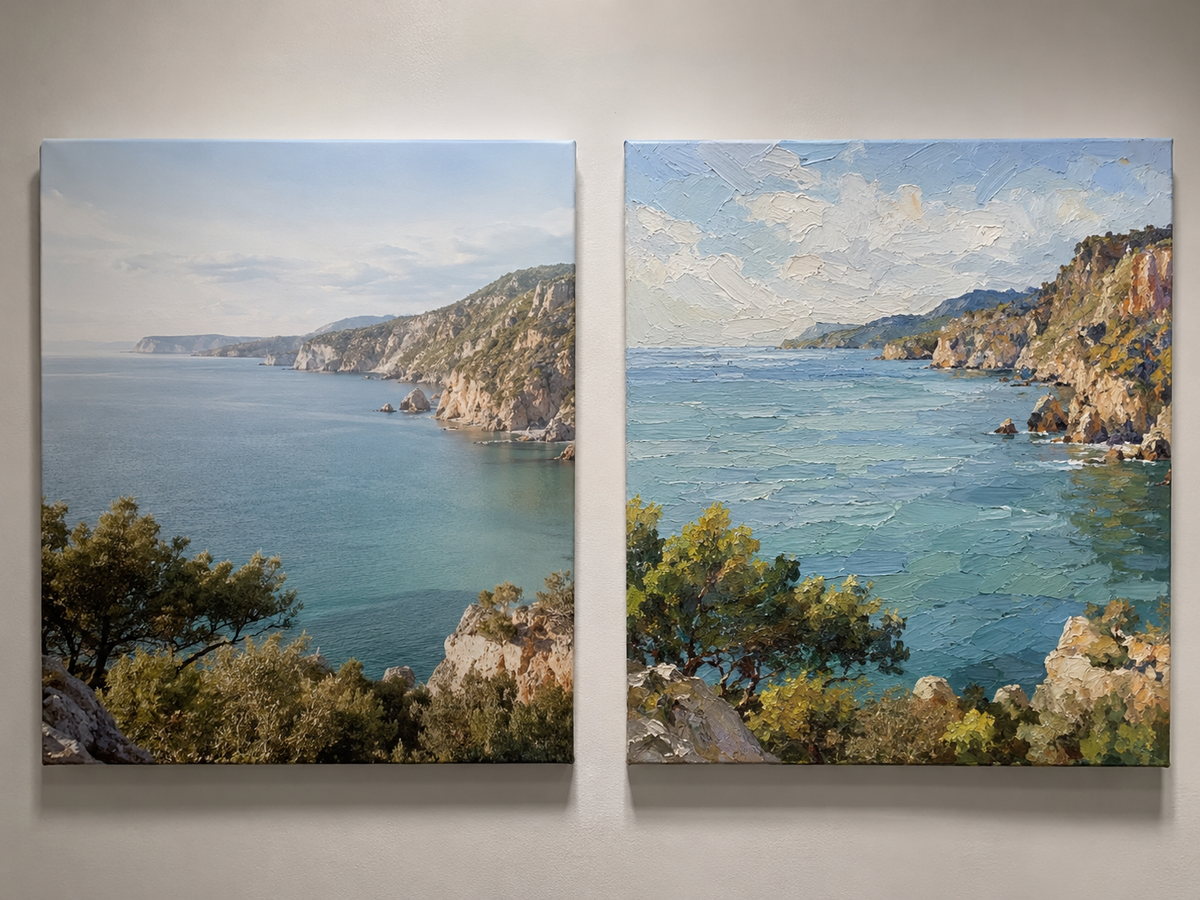
Avoid generic artwork if you want the room to feel personal. A hand-painted piece with visible texture, layered color, and artistic variation will usually feel more meaningful than a flat image that looks mass-produced.
Abstract vs. Minimalist: Which One Should You Choose?
Choose abstract art if you want movement, emotion, color, and a stronger focal point. Abstract paintings are ideal for rooms that need energy, personality, or visual depth.
Choose minimalist art if you want calm, simplicity, and quiet sophistication. Minimalist paintings are ideal for bedrooms, serene living rooms, and modern spaces where less visual noise is preferred.
If you like both, choose a minimalist abstract painting. This type of artwork combines simple composition with abstract expression, making it easy to style in many homes.
FAQ: Modern Decorative Paintings
What type of painting is best for a modern living room?
Large abstract paintings, textured canvas art, monochrome paintings, and geometric wall art are all strong choices for modern living rooms. The best option depends on whether you want the room to feel calm, bold, elegant, or creative.
How big should a painting be above a sofa?
A painting above a sofa should usually be about two-thirds to three-quarters the width of the sofa. This helps the artwork feel balanced with the furniture instead of too small or too overwhelming.
Are abstract paintings good for modern homes?
Yes. Abstract paintings are excellent for modern homes because they add movement, color, and emotion without locking the room into a literal theme. They work well with contemporary, minimalist, organic modern, and luxury interiors.
What is the difference between abstract and minimalist art?
Abstract art focuses on color, form, emotion, and movement rather than realistic subjects. Minimalist art focuses on simplicity, restraint, negative space, and quiet composition. Some artworks combine both approaches.
Should modern decorative paintings match the room?
They should harmonize with the room, but they do not need to match everything exactly. A good painting can introduce contrast, depth, or a new accent color while still feeling connected to the overall palette.
Final Thoughts
Modern decorative paintings can transform a room by adding mood, structure, texture, and personality. Whether you prefer bold abstract art, quiet minimalism, geometric structure, monochrome elegance, or richly textured surfaces, the right painting should feel connected to both your home and your daily life.
If you want expressive modern artwork that brings color, movement, and depth into your space, browse Rosemary Art's abstract art collection to find a piece that fits your room and your personal style.
Continue exploring: Browse our Abstract Art collection, see this week's new arrivals, or shop our best sellers — every piece 100% hand-painted, frame included.