
Art for interior designers is more than decoration. The right wall art can define a room’s mood, balance the furniture layout, add texture, and create a strong focal point. For homes, hotels, offices, and commercial interiors, choosing the right type of artwork helps a space feel complete and professionally designed.
Below are 7 wall art types every interior designer should consider.
1. Why choose large abstract paintings?
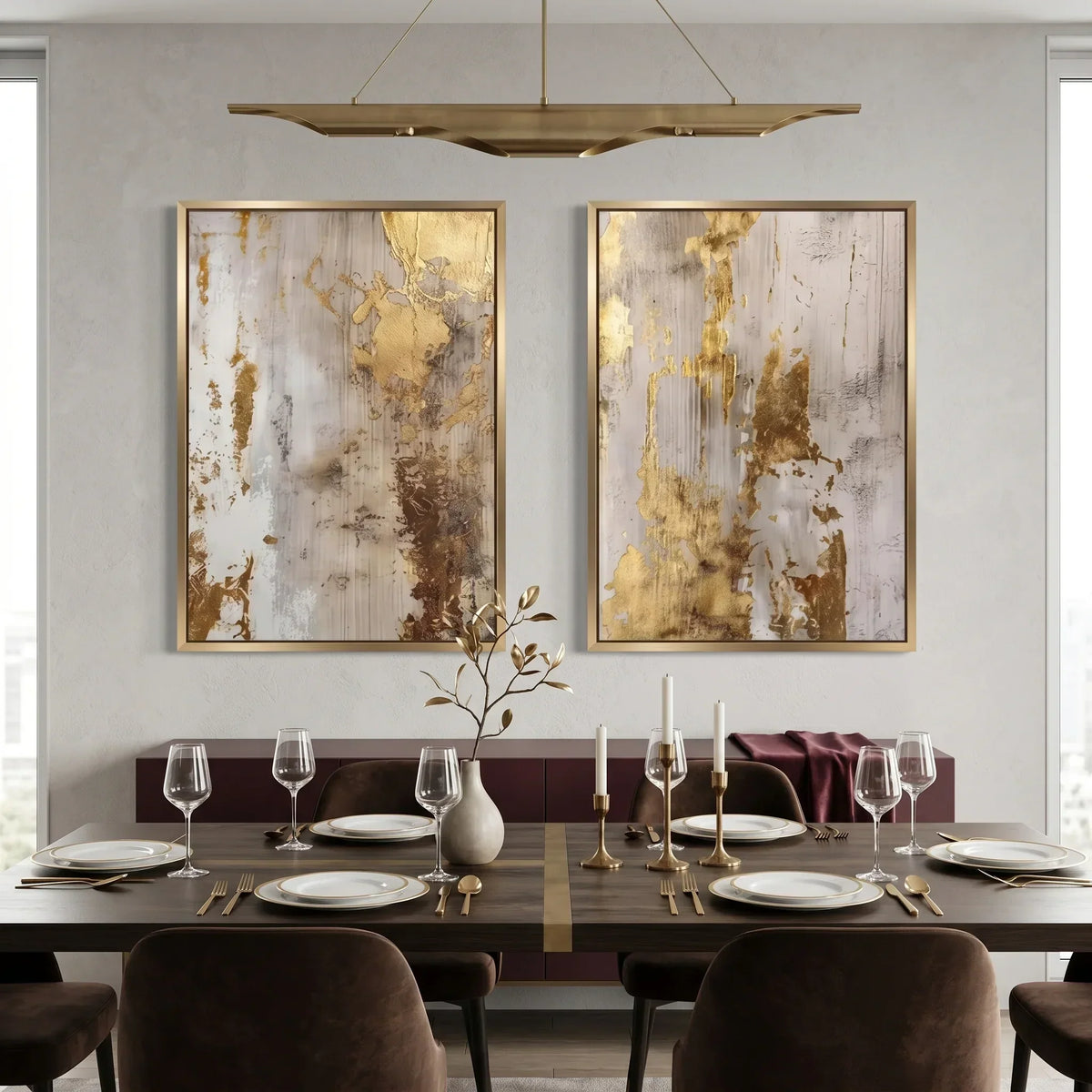
Large abstract paintings are ideal for living rooms, hotel lobbies, offices, and statement walls. They add movement, color, and modern sophistication without limiting the room to one fixed theme.
Best for:
- Large empty walls
- Neutral interiors
- Modern luxury spaces
- Sofa, bed, or reception wall placement
Explore Rosemary Art’s abstract paintings for hand-painted options.
2. When should designers use textured wall art?
Textured wall art is perfect when a space needs depth, not just color. Raised brushstrokes, palette knife texture, and 3D surfaces create shadows and a handcrafted feeling.
This style works especially well in Wabi-Sabi, Japandi, minimalist, and quiet luxury interiors. Learn more from Rosemary Art’s guide to Wabi-Sabi textured wall art.
3. How does floral art soften a room?
Botanical and floral wall art brings warmth, softness, and organic movement. It is suitable for bedrooms, dining rooms, wellness spaces, and boutique hotels.
Instead of choosing floral art only by color, designers should consider the mood: romantic, calm, fresh, dramatic, or modern.
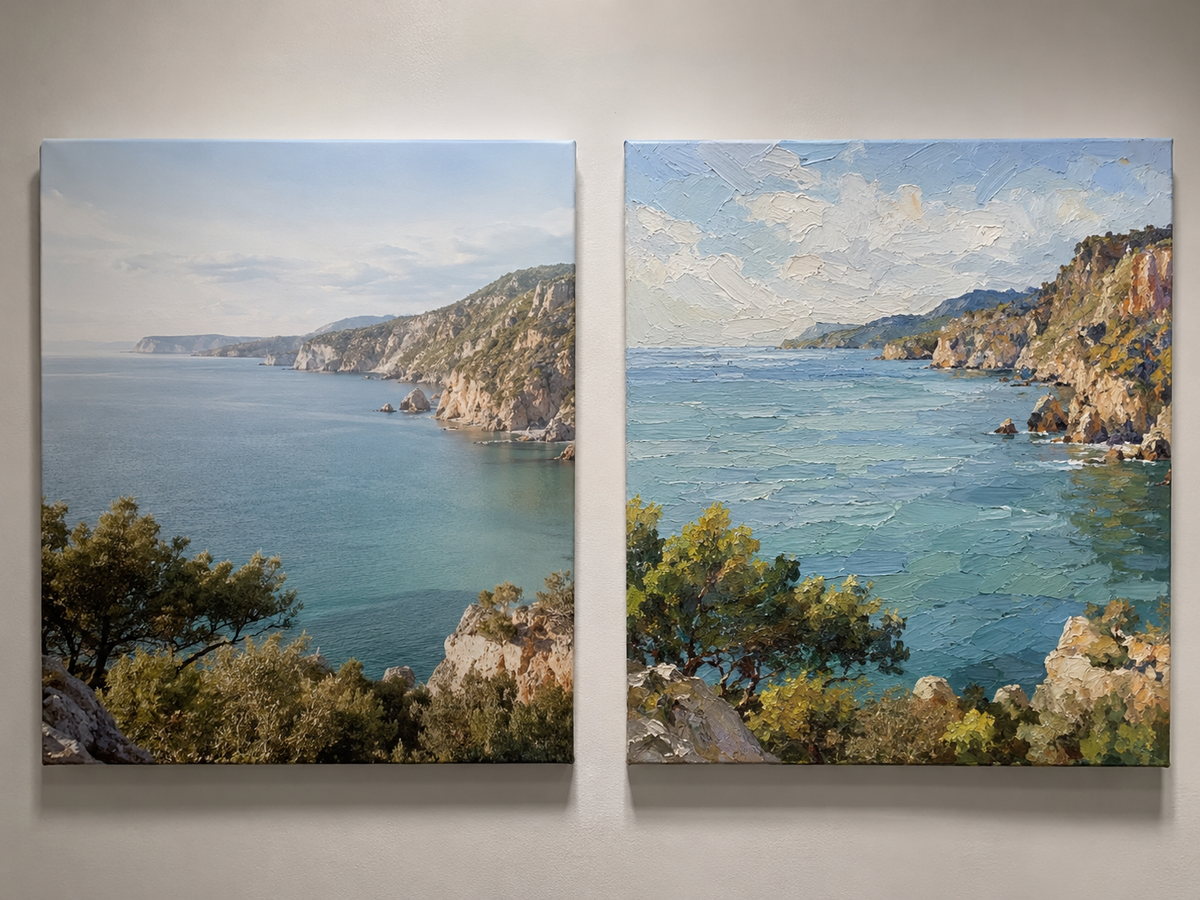
4. Why use coastal and landscape art?
Coastal and landscape art creates a peaceful, open feeling. It works well in bedrooms, vacation homes, spas, and relaxed living rooms.
For a more elevated result, avoid overly literal beach scenes. Abstract waves, soft landscapes, and textured ocean-inspired paintings feel more suitable for luxury interiors.
5. When is minimalist monochrome art best?
Minimalist black, white, beige, or gray artwork is best for clean, architectural spaces. It adds structure without overwhelming the design.
Use it in:
- Modern homes
- Offices
- Gallery-style interiors
- Neutral luxury spaces
6. How can mixed media wall art add richness?
Mixed media art combines materials such as canvas, plaster, wood, textile, or metal. It adds a layered and collected feeling, especially in boutique hotels, restaurants, and creative interiors.
This type of art is useful when the room needs more material contrast.
7. Why should designers consider custom hand-painted art?
Custom wall art gives interior designers control over size, color, texture, frame, and overall mood. This is especially useful for large walls, villa projects, hotel spaces, and model homes.
Rosemary Art offers custom hand-painted wall art for residential and commercial projects, with size, color, and frame customization available.
Quick Selection Guide
| Space | Recommended Wall Art |
|---|---|
| Living room | Large abstract or textured art |
| Bedroom | Floral, coastal, or soft abstract art |
| Hotel lobby | Oversized custom painting |
| Office | Minimalist or abstract wall art |
| Dining room | Botanical or statement art |
| Spa/wellness space | Wabi-Sabi or landscape art |
FAQ
What type of wall art is best for interior designers?
Large abstract paintings, textured wall art, floral art, coastal art, minimalist art, mixed media pieces, and custom hand-painted paintings are all strong choices.
Is custom wall art worth it for design projects?
Yes. Custom wall art is useful when designers need specific sizes, colors, textures, or frames to match a project.
What size artwork should go above a sofa?
A good rule is to choose artwork around 60–75% of the sofa width.
Why is textured wall art popular?
Textured wall art adds depth, shadow, and handmade character, making neutral interiors feel richer and more refined.