When investing in authentic hand-painted abstract art, the framing choice is just as critical as the canvas itself. It bridges the gap between raw, tactile emotion and your interior design. For collectors curating a high-end minimalist space, deciding between a gallery-wrapped canvas and a floater frame dictates how the artwork breathes within the room. Let’s explore which presentation best elevates your modern home.
Gallery Wrapped: The Unbound Wabi-Sabi Aesthetic
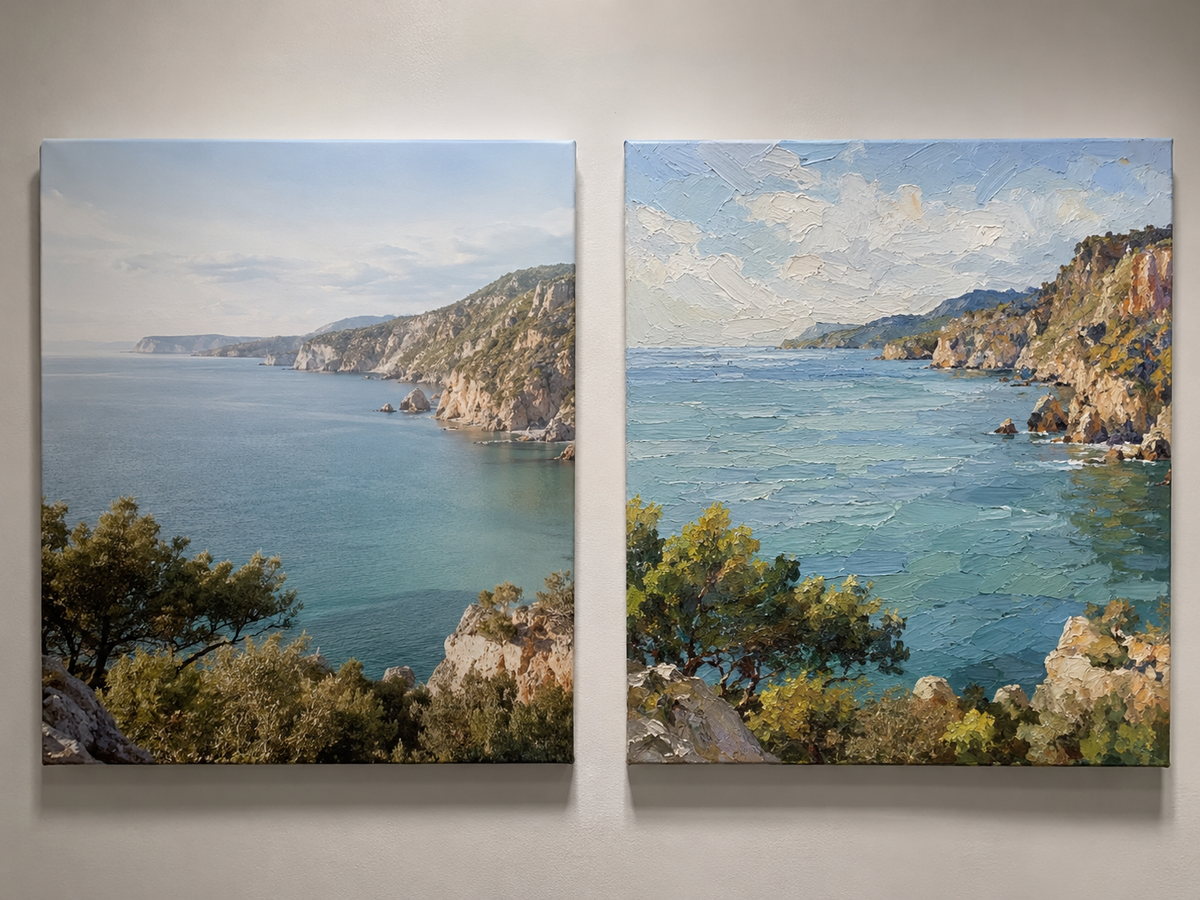
A gallery wrap involves stretching the canvas tightly over wooden stretcher bars, allowing the painted design or colors to wrap around the sides. This unframed approach is incredibly popular for hand-painted abstract oil paintings where texture is the main focus.
-
Seamless Spatial Flow: Without structural borders, the emotional resonance of the artwork extends organically. It creates an immersive, boundless experience that feels like a natural extension of your wall.
-
Highlighting Pure Texture: The absence of a frame forces the eye to focus entirely on the thick impasto brushstrokes. It is the perfect way to showcase the raw, tactile imperfections central to wabi-sabi wall art.
-
Minimalist Appeal: It perfectly complements stripped-back, contemporary, or industrial interiors where the art serves as an untamed, organic energy.
(Insert Image: A heavy-textured gallery-wrapped canvas in a minimalist, earth-toned living room)
Floater Frames: Structured Elegance for Abstract Art
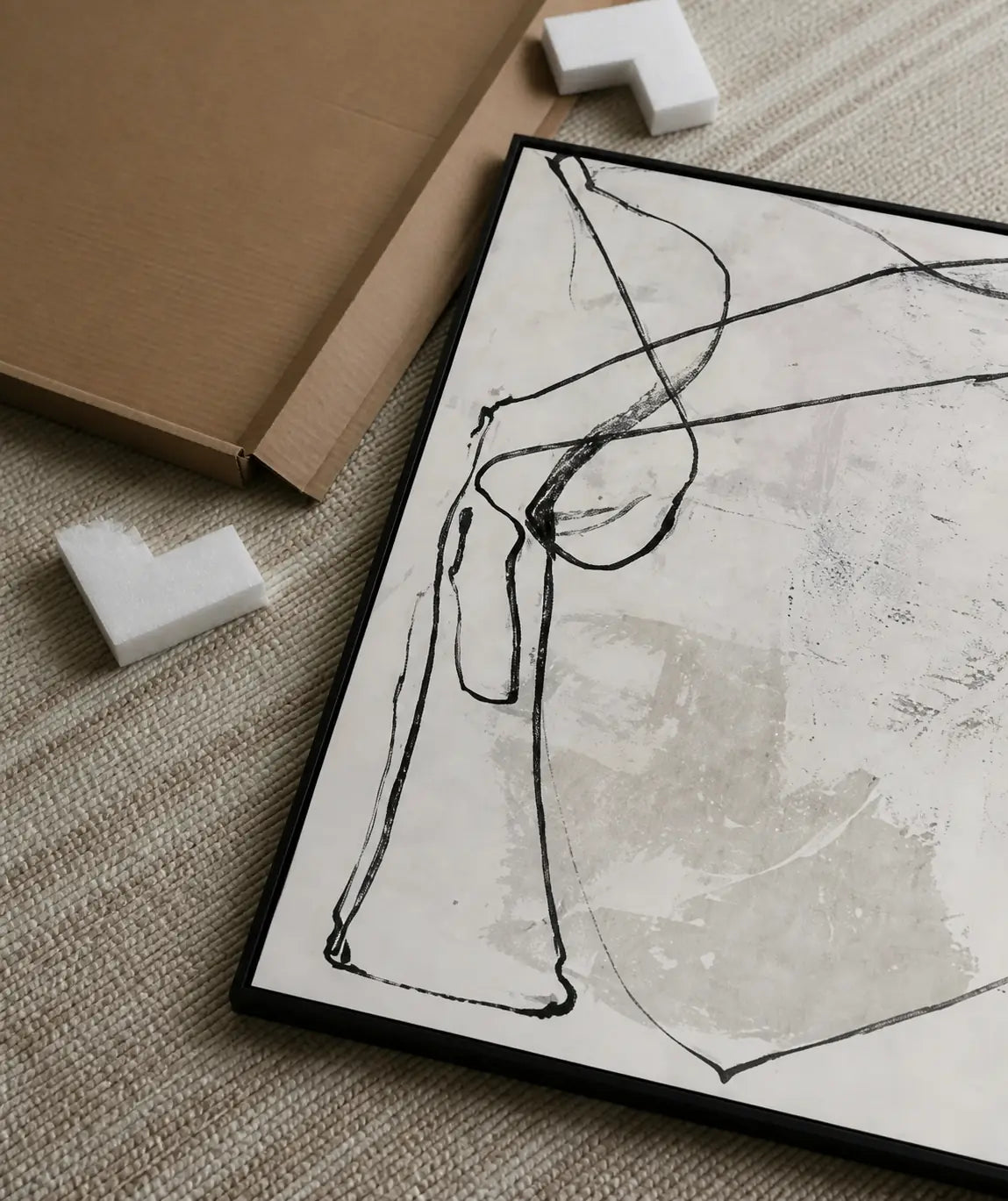
If a gallery wrap is about freedom, a floater frame is about focus. This modern framing style leaves a subtle, intentional gap between the canvas edge and the frame, creating an illusion that the artwork is suspended or "floating" within the border.
-
Architectural Grounding: A frame provides a distinct visual boundary. It gathers wild, expressive abstract strokes into a refined, sophisticated package, preventing the colors from overwhelming a smaller space.
-
Material Harmony: Natural wood tones, like oak or walnut, can gracefully echo your room’s existing finishes. It ties the artwork to your furniture, hardwood floors, or minimalist lighting fixtures.
-
Gallery-Ready Formality: Adding a frame brings a subtle, structured polish. It elevates the formality of the room, making it an excellent choice for mid-century modern or thoughtfully curated modern abstract collections.
(Insert Image: A sleek floater-framed abstract painting positioned above a mid-century modern credenza)
Making the Right Choice for Your Home
Ultimately, both styles highlight the unique, light-catching qualities of true hand-painted art. As natural light shifts throughout the day, it catches the raised pigments of a real oil painting—a tactile experience that machine prints cannot replicate.
-
Choose gallery-wrapped if your goal is an organic, unrestricted, and highly textural aesthetic.
-
Opt for a floater frame if your space demands a touch of curated sophistication and architectural cohesion.
Whichever style speaks to your personal aesthetic, the soul of the piece lies in its authentic craftsmanship. Discover the perfect textural addition to your space at Rosemary Art, where every piece is crafted to bring warmth and sophisticated energy to your walls.