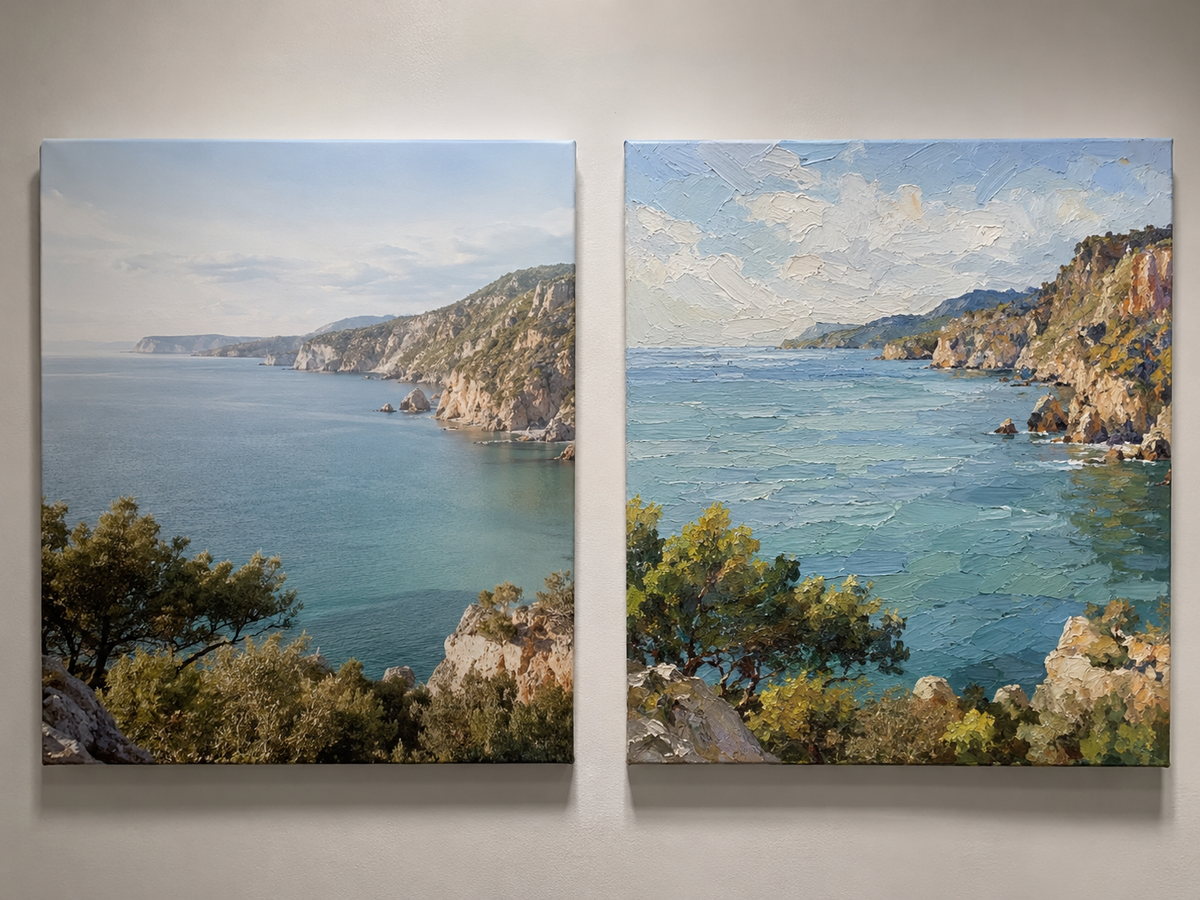
A small living room can still feel open, elegant, and comfortable. The problem is not always the actual size of the room. More often, the room feels smaller because of poor furniture placement, heavy colors, cluttered surfaces, weak lighting, or wall decor that does not match the scale of the space.
When you want to make a living room look bigger, every decision matters: the sofa, the rug, the coffee table, the curtains, the lighting, and even the artwork on the wall. The goal is not to make the room empty. The goal is to make it feel visually lighter, more balanced, and easier for the eye to move through.
Here are 12 practical ways to maximize space in your living room and make it look bigger.
1. Start With the Furniture Layout
Before buying anything new, look at your current layout. Many small living rooms feel crowded because the furniture blocks natural movement.
Avoid pushing every piece against the wall automatically. In some rooms, leaving a small gap behind the sofa or chair can actually create a lighter, more intentional layout. The key is to keep clear walking paths and avoid forcing people to move around furniture awkwardly.
A good living room layout should feel easy to enter, easy to sit in, and easy to move through. If the room feels tight, remove one unnecessary chair, side table, or storage piece before adding more decor.
2. Choose Furniture With Slimmer Profiles
Large, heavy furniture can make a small room feel even smaller. Instead of bulky sofas, oversized arms, and thick wooden legs, choose pieces with cleaner lines and lighter proportions.
Sofas with slim arms, raised legs, and simple silhouettes allow more visible floor space. This makes the room feel more open. The same rule applies to accent chairs, media consoles, and side tables.
You do not need tiny furniture. In fact, too many small pieces can make a room feel messy. Choose fewer pieces with better proportions.
3. Use Light and Neutral Colors
Color has a major effect on how large a room feels. Light colors reflect more light and help create an airy atmosphere. White, warm beige, soft gray, ivory, pale taupe, and muted cream are all strong choices for a small living room.
This does not mean the room must be boring. Texture can replace heavy color. A neutral room with linen, wood, boucle, stone, ceramic, and textured wall art can feel rich without feeling crowded.
For Rosemary Art-style interiors, beige textured paintings, white minimalist wall art, and soft wabi-sabi artwork work especially well in small living rooms because they add depth without adding visual noise.
4. Keep the Floor as Open as Possible
The more floor you can see, the larger the room feels. This is why raised furniture often works better than furniture that sits heavily on the floor.
Choose sofas, chairs, and consoles with visible legs. Use wall-mounted shelves instead of floor cabinets when possible. Avoid too many baskets, plant stands, stools, and decorative objects on the floor.
A small living room should not look like a storage room. If something does not serve a clear function or improve the room visually, remove it.
5. Use One Large Rug Instead of Several Small Ones
A small rug can make the room feel broken and unfinished. One larger rug usually makes the seating area feel more connected and spacious.
Ideally, the front legs of the sofa and chairs should sit on the rug. This creates one unified zone instead of separate floating furniture pieces.
Choose a rug with a calm pattern or soft neutral tone. A very busy rug can make the floor feel crowded, especially in a compact living room.
6. Add Mirrors to Reflect Light
Mirrors are one of the most effective tools for making a living room feel larger. A mirror reflects light, creates depth, and visually extends the room.
Place a mirror across from or near a window if possible. This helps bring more natural light into the space. A large mirror above a console table or behind a seating area can also make the room feel more open.
Be careful with mirror placement. A mirror should reflect something attractive, such as natural light, artwork, plants, or a clean architectural line. If it reflects clutter, it will only double the visual mess.
7. Choose Wall Art That Matches the Room Scale
Many people make the same mistake in small living rooms: they choose artwork that is too small. A tiny painting on a main wall can make the entire room feel unfinished.
Instead, choose one properly sized piece of wall art that anchors the space. A large horizontal painting above the sofa can make the wall feel wider. A vertical painting can draw the eye upward and make the ceiling feel higher.
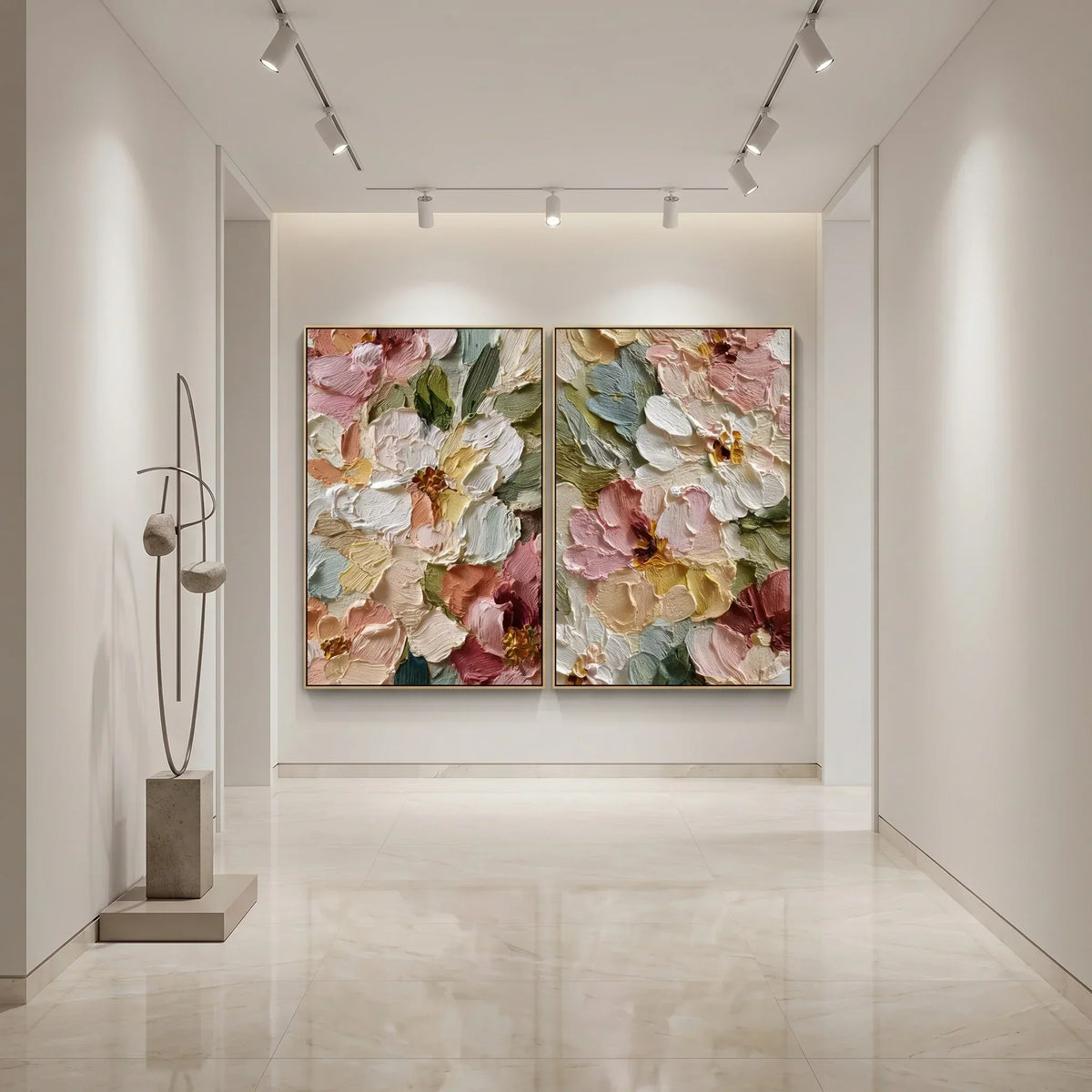
For small living rooms, large wall art does not always mean loud wall art. A calm abstract painting, soft textured oil painting, or neutral wabi-sabi artwork can create a strong focal point without overwhelming the room.
The best artwork for a small living room should do three things:
-
Create a clear focal point
-
Support the color palette
-
Add depth without adding clutter
This is where hand-painted textured wall art works well. The surface texture adds interest, but the overall design can remain simple and elegant.
8. Use Vertical Lines to Make the Ceiling Feel Higher
If your living room has a low ceiling, use vertical design elements to guide the eye upward.
Floor-to-ceiling curtains are one of the simplest methods. Hang the curtain rod closer to the ceiling rather than directly above the window. This makes the window look taller and the room feel more elevated.
Vertical artwork can also help. A tall narrow painting, a pair of vertical canvases, or a vertically textured abstract piece can make the wall feel higher.
Avoid cutting the wall into too many horizontal sections. Too many short shelves, low pictures, and heavy horizontal furniture pieces can make the ceiling feel lower.
9. Control Clutter on Tables and Shelves
A small room cannot handle too many visible objects. Coffee tables, side tables, TV consoles, and shelves should be edited carefully.
Keep only a few pieces visible: a book, a small vase, a tray, or one sculptural object. Leave empty space around them. Empty space is not wasted space. It gives the room breathing room.
This same rule applies to wall decor. Instead of covering every wall with many small frames, consider one strong artwork or a clean pair of paintings. A restrained wall feels larger than a crowded gallery wall.
10. Use Lighting in Layers
A single ceiling light can make a room feel flat and small. Layered lighting creates depth.
Use a combination of natural light, ceiling lighting, wall sconces, table lamps, and floor lamps. If you have textured wall art, use angled lighting to bring out the surface details. Soft shadows across a textured painting can make the wall feel deeper and more dimensional.
Warm lighting usually feels more comfortable in living rooms. Avoid lighting that is too harsh or too cold, especially in small spaces.
11. Pick Multi-Functional Furniture
Small living rooms need furniture that works harder.
A storage ottoman can replace a coffee table. A slim console can provide storage without taking up too much depth. Nesting tables can be pulled out when needed and tucked away later. A bench with hidden storage can hold blankets, books, or children’s items.
Do not buy multi-functional furniture just because it has storage. It still needs to look good. The goal is not to hide clutter inside unattractive furniture. The goal is to reduce the number of pieces in the room while keeping the space elegant.
12. Create One Clear Focal Point
A small living room feels larger when the eye knows where to rest. Without a focal point, the room feels visually scattered.
Your focal point could be a fireplace, a window, a sofa wall, or a large piece of art. For many homes, the wall above the sofa is the strongest choice.
One large hand-painted artwork can make the living room feel more designed and less crowded. Instead of using many small decorations, let one piece carry the visual weight.
For example, a soft beige textured painting can make a neutral living room feel calm and spacious. A large abstract landscape can create depth. A minimalist white textured painting can add quiet luxury without shrinking the room visually.
The Best Wall Art Styles for a Small Living Room
Not every artwork style works well in a small living room. Some pieces are too dark, too busy, or too colorful for a compact space.
The safest choices are:
Minimalist Textured Art
Minimalist textured art adds depth without visual chaos. White, beige, ivory, and soft gray textures work well in modern interiors.
Wabi-Sabi Art
Wabi-sabi art is ideal for small living rooms because it feels calm, organic, and imperfect in a natural way. It works especially well with wood, linen, stone, and neutral furniture.
Soft Abstract Oil Painting
A soft abstract painting can introduce movement without making the room feel busy. Choose colors that connect with your sofa, rug, curtains, or cushions.
Horizontal Wall Art
Horizontal artwork can make the wall feel wider, especially above a sofa or console. This is useful in narrow living rooms.
Vertical Wall Art
Vertical artwork helps the eye move upward. This is useful for rooms with low ceilings or narrow wall sections.
Small Living Room Checklist Before You Decorate
Before you buy furniture or artwork, check these details:
-
Is the walking path clear?
-
Can you see enough floor space?
-
Is the rug large enough to connect the seating area?
-
Are the colors light, calm, and cohesive?
-
Is there one clear focal point?
-
Is the wall art too small for the main wall?
-
Are shelves and tables edited, not overloaded?
-
Is the room lit from more than one direction?
-
Do the curtains make the wall feel taller?
-
Does every furniture piece serve a real purpose?
If the answer is no to several of these questions, the room does not need more decoration. It needs better editing.
Final Thoughts
Making a living room look bigger is not about removing personality. It is about controlling scale, light, color, and visual weight.
Choose fewer furniture pieces. Keep the palette calm. Use mirrors and lighting to create depth. Let the floor breathe. Most importantly, choose wall art that fits the size and mood of the room.
A small living room can still feel refined, spacious, and complete. With the right artwork and layout, the room will not feel like a compromise. It will feel intentional.
Frequently Asked Questions
How can I make my living room look bigger?
Use lighter colors, slimmer furniture, a larger rug, mirrors, layered lighting, and fewer decorative objects. Choose one strong focal point instead of many small pieces.
What color makes a living room look bigger?
White, ivory, beige, soft gray, pale taupe, and warm neutral colors usually make a living room feel more open. These colors reflect light and reduce visual heaviness.
Is large wall art good for a small living room?
Yes, if the artwork is simple and properly scaled. One large calm painting can make a small living room feel more intentional than several small busy pieces.
What kind of wall art makes a room look bigger?
Horizontal artwork can make a wall feel wider. Vertical artwork can make the ceiling feel higher. Light-colored textured art can add depth without making the space feel crowded.
Should I use dark artwork in a small living room?
You can, but use it carefully. Dark artwork creates drama, but too much dark visual weight can make a small room feel tighter. If the room is already dark, consider lighter or more textured artwork.
Where should I hang art in a small living room?
The wall above the sofa is usually the best place. Leave enough space between the sofa and the artwork so they feel connected, not crowded.
How do I decorate a small living room without clutter?
Use fewer but stronger pieces. Choose one large artwork, one good rug, clean lighting, and functional furniture. Avoid filling every shelf, corner, and wall.