
A room can have beautiful furniture and carefully chosen colors but still feel flat or unfinished. In many cases, the missing element is not more decoration—it is depth.
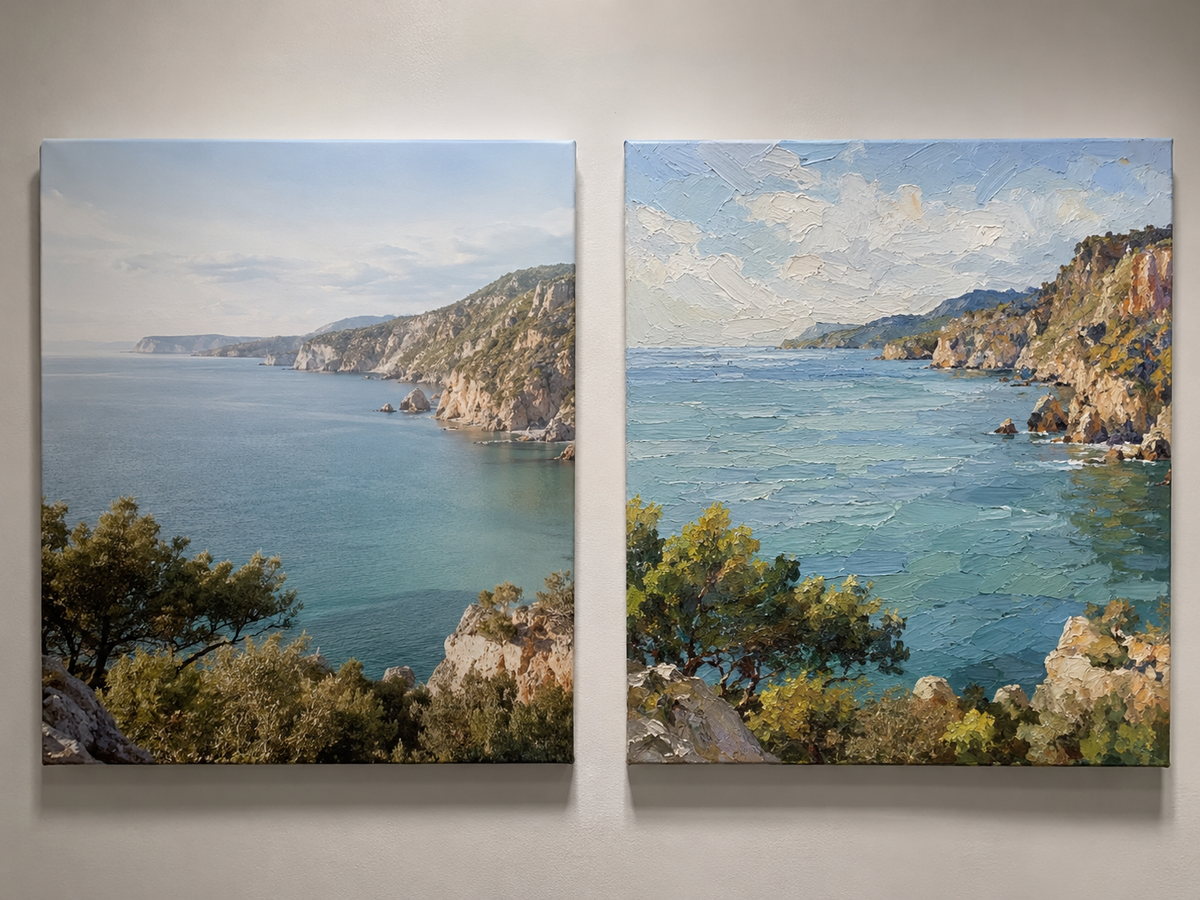
3D textured wall art introduces visible brushstrokes, raised surfaces, layered materials, and changing shadows. Unlike flat prints, a textured painting responds to natural and artificial light throughout the day, giving a wall more character without making the room feel crowded.
This guide explains how to choose the right texture, size, color, and placement for a modern interior.
What Is 3D Textured Wall Art?
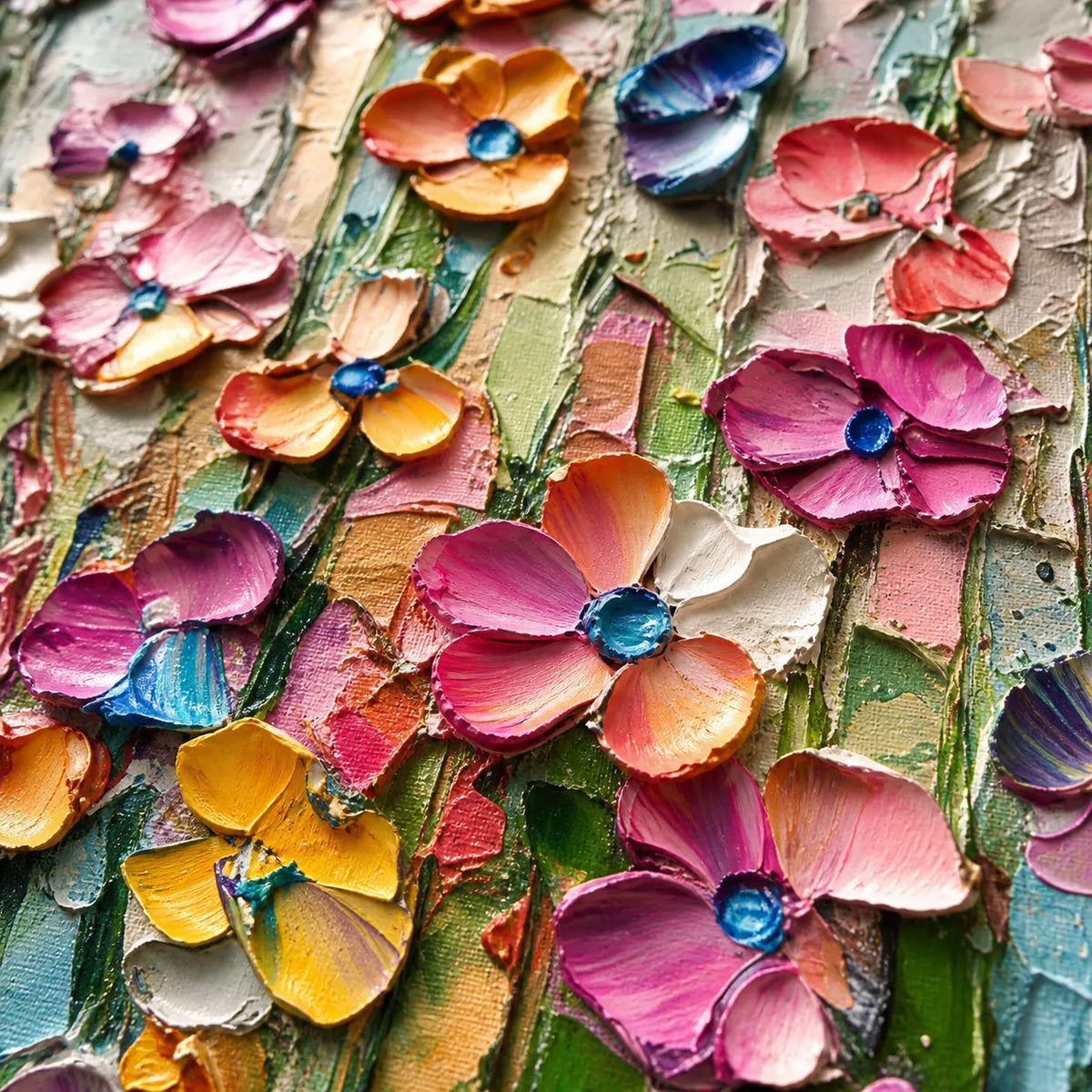
3D textured wall art is artwork with a raised or sculptural surface. Artists may use thick paint, palette knives, texture paste, mineral materials, sand-like particles, or layered canvas techniques to create physical depth.
The result is an artwork that can be appreciated both visually and through its surface details.
It is important to distinguish decorative textured art from acoustic wall panels. A textured painting may soften the visual feeling of a room, but it should not be described as soundproofing or sound-absorbing unless it contains tested acoustic materials.
Textured Wall Art vs. Flat Wall Art
| Feature | 3D Textured Wall Art | Flat Canvas Print |
|---|---|---|
| Surface | Raised and dimensional | Smooth or nearly flat |
| Production | Often painted or finished by hand | Usually digitally printed |
| Light interaction | Creates shadows and highlights | Appearance stays mostly consistent |
| Uniqueness | Small handmade variations | Repeated image reproduction |
| Best for | Focal walls and statement spaces | Affordable general decoration |
For homeowners who want artwork with a stronger physical presence, hand-painted textured art usually feels more individual than a standard printed canvas.
Why Texture Changes the Feeling of a Room
Texture affects how a space looks even when the color palette is simple.
A white, beige, or grey painting may appear minimal from a distance. Up close, raised lines, uneven layers, and palette-knife marks create detail and movement. This makes textured artwork especially suitable for modern interiors that use restrained colors.
3D wall art can help:
-
Break up a large empty wall
-
Add warmth to minimalist interiors
-
Create contrast against smooth furniture and surfaces
-
Introduce visual depth without using bright colors
-
Make a neutral room feel more considered
The goal is not to fill every wall. One well-proportioned textured painting often has more impact than several small decorative pieces.
Choose the Right Texture Level

Not every room needs extremely heavy texture. The correct level depends on the size of the wall, viewing distance, lighting, and surrounding materials.
| Texture Level | Appearance | Best Use |
|---|---|---|
| Light texture | Subtle brush marks and shallow layers | Bedrooms, small rooms, quiet interiors |
| Medium texture | Visible raised areas and palette-knife movement | Living rooms, dining rooms, offices |
| Heavy texture | Thick sculptural forms and strong shadows | Large feature walls, hotels, commercial spaces |
For most homes, medium texture is the safest choice. It provides noticeable depth without overpowering the furniture.
Heavy 3D texture works better when the artwork is large enough to be viewed from a distance. On a very small canvas, thick materials can make the composition feel crowded.
Match the Artwork to the Room
Different spaces need different levels of visual energy.
| Room | Recommended Style | Suggested Colors |
|---|---|---|
| Living room | Large abstract or organic textured art | Beige, white, black, blue, earth tones |
| Bedroom | Soft shapes and restrained texture | Ivory, cream, taupe, muted blue |
| Dining room | Stronger movement or layered composition | Warm neutral, rust, gold, dark green |
| Entryway | Vertical statement artwork | Black, white, stone, metallic accents |
| Office | Structured or geometric texture | Grey, navy, black, warm brown |
| Hotel or commercial space | Coordinated oversized artwork | Custom colors based on the project |
The artwork does not need to match every object in the room. A better approach is to repeat one or two existing colors while introducing a slightly different texture or tone.
For example, a beige living room may benefit from an ivory painting with sand, clay, or charcoal details. This keeps the palette calm while preventing the room from looking overly uniform.
How to Select the Correct Size
One of the most common mistakes is choosing wall art that is too small.
A small painting placed above a wide sofa can make the wall feel even emptier. The artwork should relate to the furniture below it, not float independently in the middle of the wall.
Recommended Size Guidelines
| Placement | Suggested Artwork Width |
|---|---|
| Above a sofa | About 60–75% of the sofa width |
| Above a bed | About 60–80% of the bed or headboard width |
| Above a console | Similar to or slightly narrower than the console |
| Large empty wall | One oversized piece or a coordinated set |
| Narrow wall | Vertical artwork with balanced margins |
The bottom of the artwork is usually positioned around 6–10 inches above a sofa, bed, or console. Hanging it too high weakens the visual connection between the artwork and furniture.
When standard sizes do not fit the wall, a custom-sized painting is often the better solution. RosemaryArt offers hand-painted artwork in custom dimensions, colors, and orientations for residential and commercial spaces.
Explore the 3D Textured Painting Collection for dimensional artwork in different styles and proportions.
Consider Lighting Before Choosing Texture
Lighting has a major influence on how textured art appears.
Side lighting creates stronger shadows across raised surfaces. Direct frontal lighting makes the surface look flatter. Natural daylight may reveal subtle material differences that are less visible under weak ceiling lights.
Before selecting a painting, consider:
-
Where the windows are located
-
Whether daylight reaches the artwork
-
Whether wall lights or spotlights will be installed
-
How the artwork looks in both daytime and evening conditions
For heavily textured paintings, soft side lighting is usually more effective than harsh light placed directly above the artwork.
If the room has limited natural light, choose artwork with lighter colors or moderate texture. Very dark, heavily textured pieces may lose detail in a dim space.
Choose Colors That Support the Interior
Color should connect the artwork to the room without making everything look identical.
Simple Color-Matching Method
-
Identify the dominant room color.
-
Choose one secondary color from the furniture, rug, or curtains.
-
Add one contrasting accent only when the room needs more energy.
For example:
| Interior Palette | Artwork Direction |
|---|---|
| Beige and natural wood | Ivory, sand, clay, soft black |
| Black and white | Monochrome texture or warm grey |
| Blue and grey | Ocean-inspired blue, white, or silver |
| Warm brown and cream | Rust, taupe, beige, muted gold |
| Green and natural materials | Olive, stone, cream, charcoal |
Neutral textured paintings are easier to style and usually remain relevant for longer. Bright colors can work well, but they should be chosen deliberately rather than added simply to fill an empty wall.
Hand-Painted Texture or Printed Texture?
Not all textured-looking artwork has a truly dimensional surface.
Some products use printed shadows to imitate raised paint. Others add a thin machine-applied texture layer over a printed image. These options may be suitable for low-cost decoration, but they do not create the same variation as hand-applied materials.
When evaluating textured wall art, check:
-
Whether the surface is actually raised
-
Whether the work is painted by hand
-
Whether close-up images show real brush and knife marks
-
Whether custom colors and sizes are available
-
Whether the artwork is shipped framed or rolled
-
Whether heavy texture requires additional structural support
At RosemaryArt, each hand-painted work is created individually. Small variations in brushwork and texture are part of the handmade process rather than production defects.
Framed or Unframed?
A frame changes the visual finish of textured artwork.
| Option | Best For |
|---|---|
| Black floating frame | Modern, industrial, monochrome interiors |
| Gold floating frame | Warm luxury and hotel-style spaces |
| Natural wood frame | Organic, Scandinavian, and neutral interiors |
| Unframed gallery wrap | Minimal and contemporary rooms |
A floating frame is often a strong choice for 3D textured canvas because the small gap around the artwork keeps the edges visible and prevents the frame from covering the raised surface.
Very heavy textured paintings may need to be shipped already stretched and framed. Rolling them can damage thick materials or create cracks.
Final Checklist Before Buying
Before ordering 3D textured wall art, confirm the following:
| Question | Why It Matters |
|---|---|
| Is the artwork genuinely textured? | Printed texture may look different in person |
| Is the size proportionate to the wall? | Undersized art can weaken the room |
| Does the color support the existing palette? | Good coordination creates a more finished space |
| Is the texture suitable for the viewing distance? | Heavy detail needs enough space |
| Does the artwork require framing? | Frames affect size, style, and shipping |
| Can the artist customize the piece? | Custom dimensions often fit difficult walls better |
Frequently Asked Questions
Is 3D textured wall art suitable for a small room?
Yes, but choose light or medium texture and avoid an oversized composition with too many dark elements. A vertical painting can add height without occupying too much wall width.
Can textured wall art be used above a sofa?
Yes. It is one of the most effective placements. Choose artwork approximately 60–75% of the sofa width and leave a moderate gap between the sofa and artwork.
Is every textured painting completely unique?
Hand-painted artwork usually contains small variations in color, layering, and brushwork. Even when an artist recreates the same design, the finished piece will not be identical to a mass-produced print.
Can 3D textured artwork be customized?
Many hand-painted designs can be adjusted in size, orientation, color, and frame. Customization is particularly useful for large walls, hotel projects, and rooms with specific color schemes.
Create Depth Without Adding Clutter
The best 3D textured wall art does more than decorate an empty surface. It connects the furniture, colors, light, and architecture of a room.
Choose a size that feels intentional, a texture level that suits the viewing distance, and colors that complement rather than copy the interior. When those elements are balanced, even a simple neutral painting can become the visual anchor of the space.
A carefully selected hand-painted textured artwork can make a modern room feel warmer, more layered, and more complete.