
What Is Wabi Sabi Wall Art? Embracing the Beauty of Imperfection
In a world obsessed with digital perfection and mass-produced symmetry, a growing number of homeowners are turning toward a more soulful aesthetic: Wabi Sabi wall art. Rooted in ancient Japanese philosophy, this art form encourages us to find beauty in the natural cycle of growth and decay. It is not just a decor trend; it is a way of life that celebrates the "perfectly imperfect."
What is the Origin and Meaning of Wabi Sabi?
The term "Wabi-Sabi" consists of two intertwined concepts. "Wabi" refers to the beauty of living simply and in harmony with nature, while "Sabi" refers to the beauty that comes with age and the passage of time. When applied to Wabi Sabi wall art, it manifests as pieces that look weathered, organic, and deeply human. According to Architectural Digest, this philosophy emphasizes authenticity over grandiosity, making it a cornerstone of modern Japanese minimalist decor.
What are the Key Characteristics of Wabi Sabi Wall Art?
To identify Wabi Sabi art, look for elements that mimic the natural world. Unlike polished, high-gloss prints, this style favors:
-
Asymmetry: Moving away from perfect balance to create a sense of movement.
-
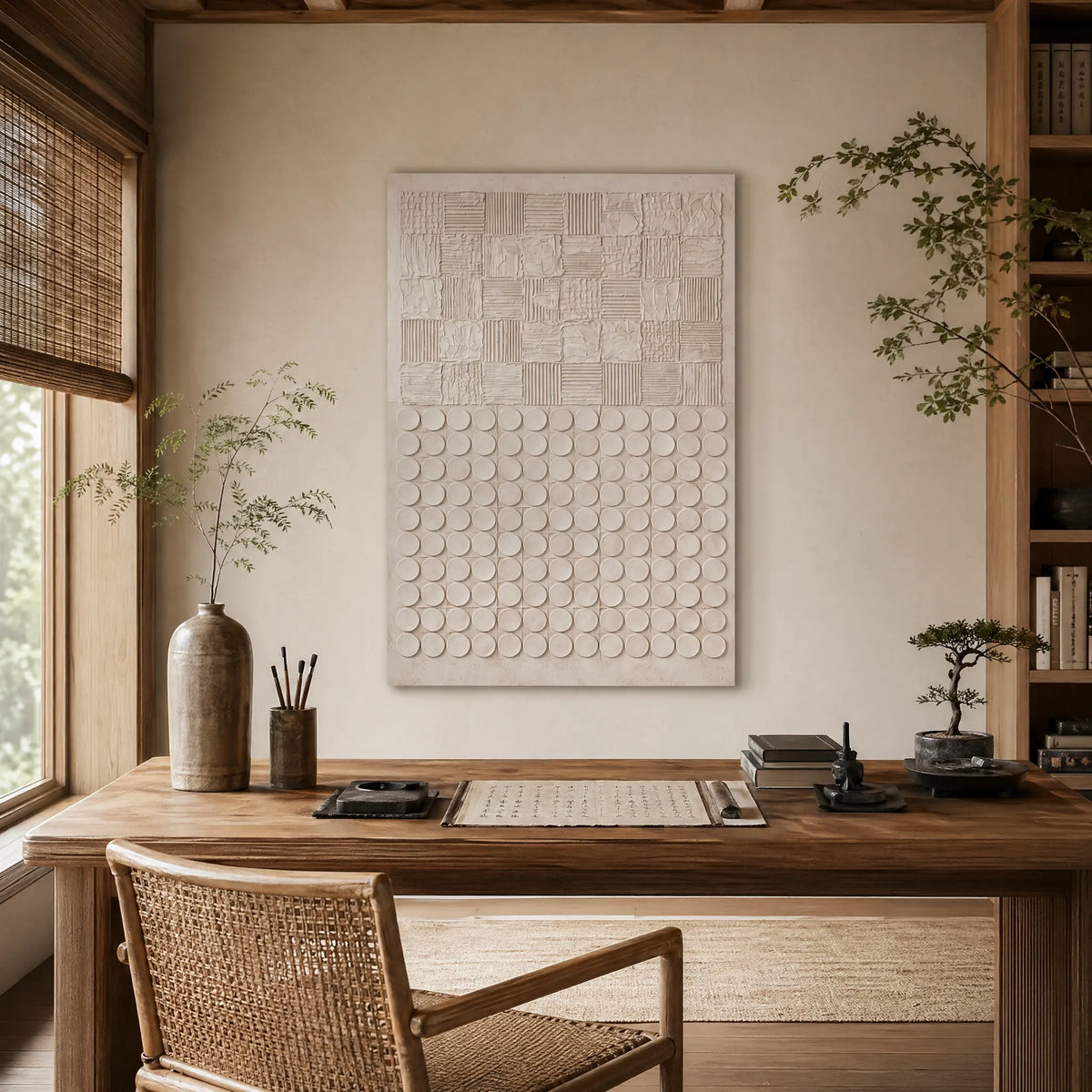
Texture: Rough surfaces, visible brushstrokes, or cracked "earthy" effects.
-
Organic Materials: Use of linen, handmade paper, wood, or stone.
-
Earthy Palettes: Muted tones like beige, charcoal, sage green, and warm whites.

Why is Texture Important in Wabi Sabi Decor?
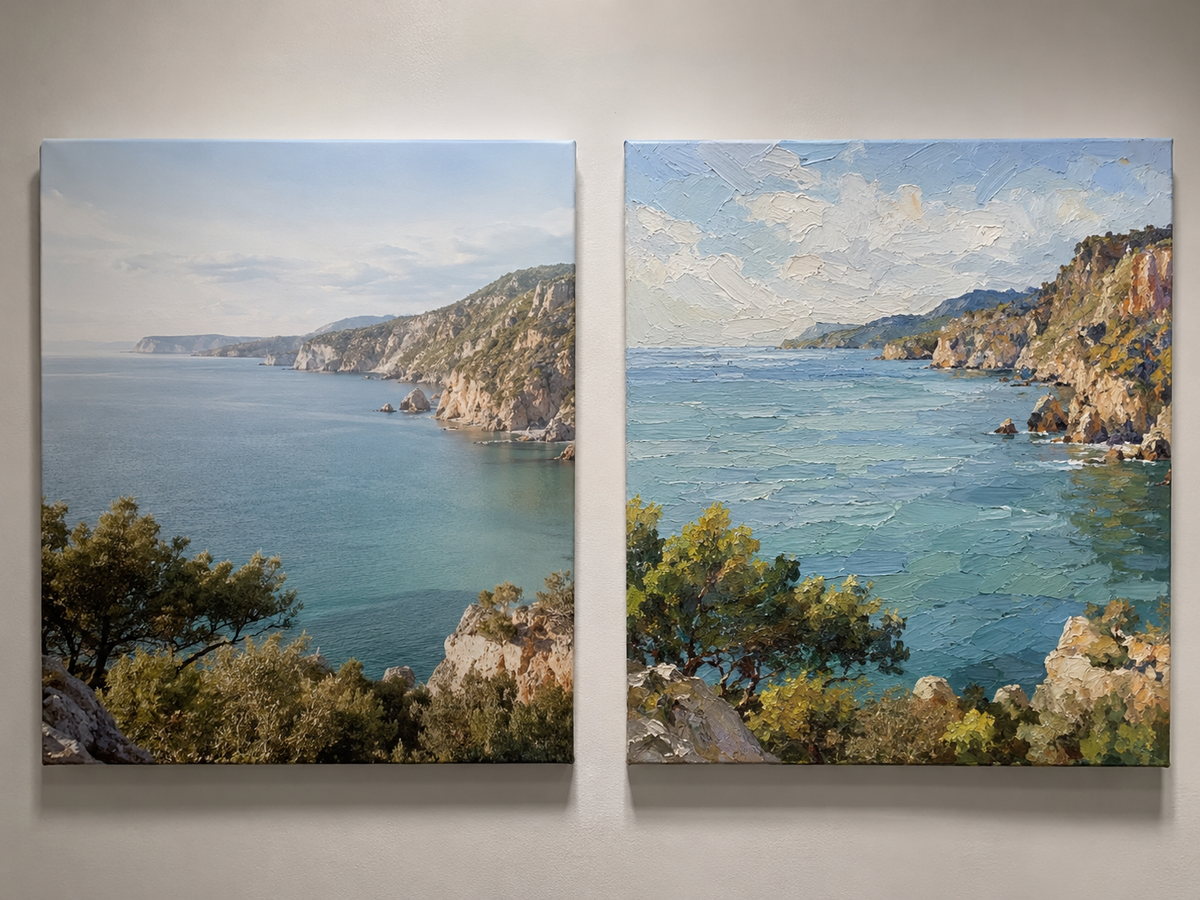
Texture is the "soul" of Wabi Sabi. In many pieces from the Rosemary Art collection, you will find textured canvas art that invites touch. This tactile quality represents the "Sabi" aspect—the physical manifestation of time. Whether it’s a heavy impasto technique or a piece of frayed fabric framed as art, texture adds a layer of depth that flat prints simply cannot achieve.
How to Incorporate Wabi Sabi Art into Your Home?
Integrating this style doesn't require a complete renovation. You can start by choosing a focal point in your living room or bedroom.
-
Select a Neutral Base: Ensure your wall color is soft and non-reflective.
-
Mix Old and New: Pair a modern sofa with a weathered, textured piece from Rosemary Art.
-
Use Natural Light: Wabi Sabi art thrives under soft, natural sunlight, which highlights the subtle shadows in the textures.
-
Embrace Negative Space: Don't overcrowd your walls; let the art "breathe" to create a zen home aesthetic.
Is Wabi Sabi Wall Art Sustainable?
One of the most profound aspects of this movement is its connection to sustainability. Because Wabi Sabi values the aged and the natural, it discourages the "throwaway culture." Investing in high-quality, artisanal pieces means choosing art that will age gracefully alongside your home. Many designers featured on Vogue Living advocate for this "slow design" approach, focusing on craftsmanship and durability rather than fleeting trends.
Comparison Table: Minimalist vs. Wabi Sabi Wall Art
| Feature | Modern Minimalism | Wabi Sabi Art |
| Symmetry | Precise and balanced | Asymmetrical and fluid |
| Surface | Smooth and flawless | Textured and weathered |
| Color | High contrast (Black/White) | Muted, earthy tones |
| Vibe | Clean and industrial | Warm and organic |
| Goal | Perfection | Authenticity |

Frequently Asked Questions (FAQ)
Q1: Does Wabi Sabi wall art have to be expensive? A: Not necessarily. While artisanal pieces carry value, the essence of Wabi Sabi is simplicity. You can find beautiful, high-quality textured pieces at Rosemary Art that offer a premium look without the gallery price tag.
Q2: What colors best represent Wabi Sabi? A: Stick to colors found in nature. Think of dried clay, moss, weathered stone, and cloudy skies. Avoid neon or overly bright primary colors.
Q3: Can I mix Wabi Sabi with other styles like Boho or Scandi? A: Absolutely! The "Japandi" style (Japanese + Scandinavian) is a popular hybrid that perfectly blends Wabi Sabi's rusticity with Scandi's functionality.