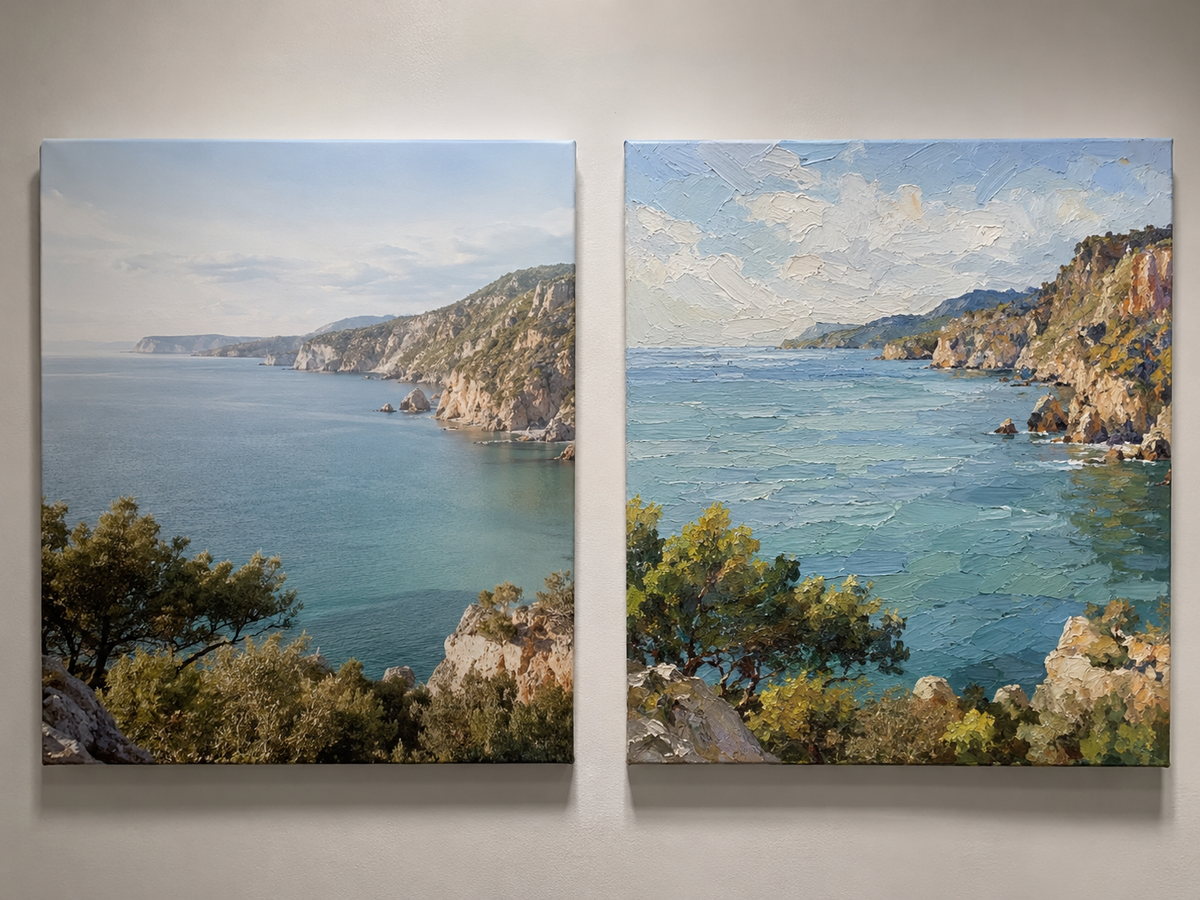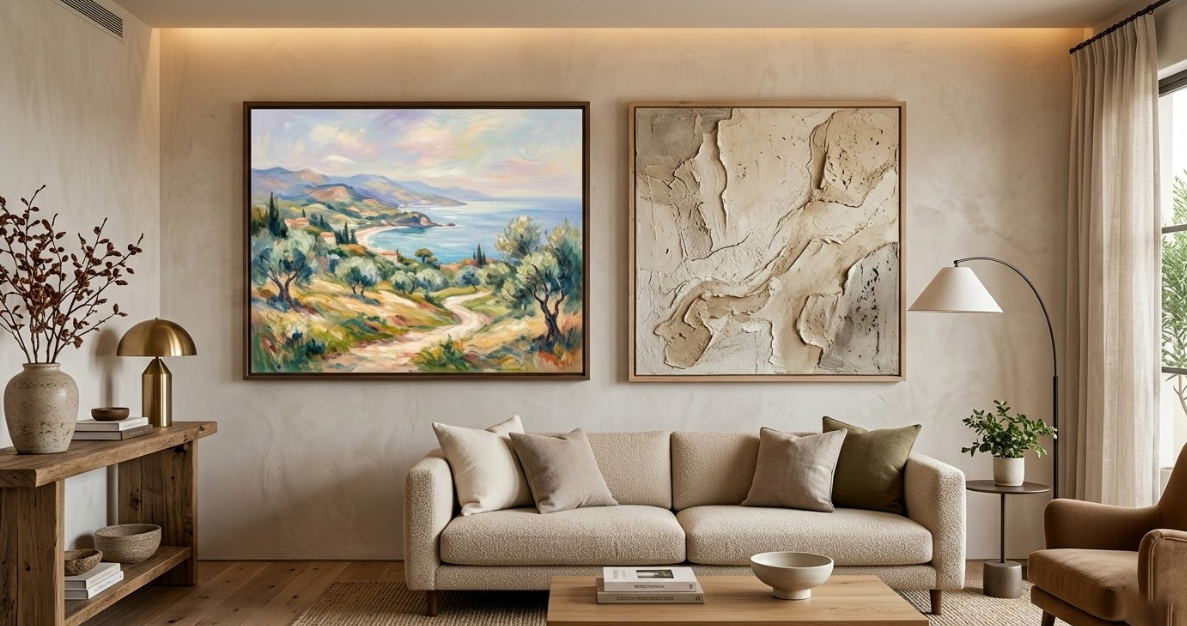
Chances are, when picking out wall art for your home, you’ve used the word ‘modern’ to mean ‘contemporary’ and ‘contemporary’ to mean ‘modern’. Potato-potarto, right? Well, when it comes to art, it’s more like potato-tomato!
In everyday life, these terms can be used pretty interchangeably, usually to describe something that’s on-trend or new. When talking about art, however, these terms aren’t generic but relate to very specific historical eras. At Rosemary Art, we believe art is more than just wall decoration; it should integrate into your life, bringing personality, warmth, and a timeless feel to your space. To help you better understand art and choose the perfect pieces for your home, let's clear up the real difference between the two.
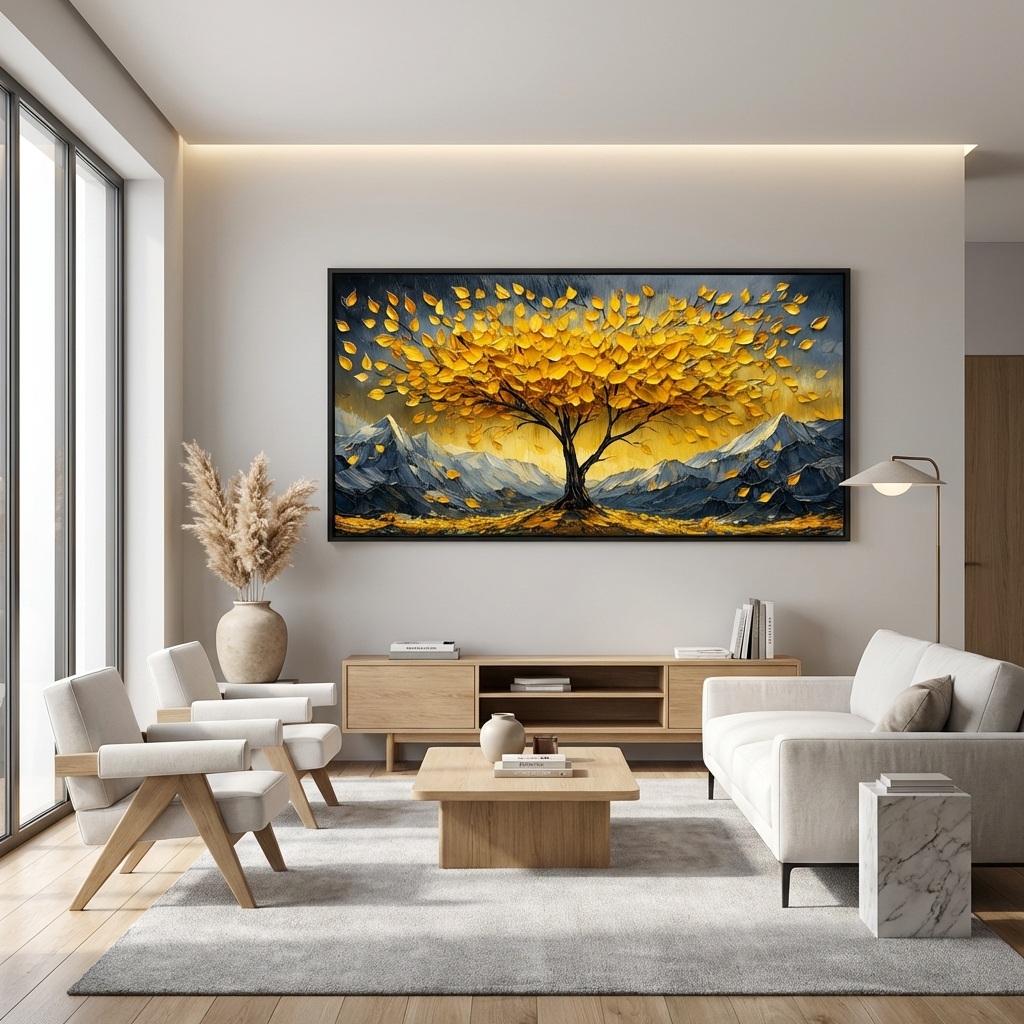
It's All About Timing
The easiest way to tell the difference between the two is the timeline.
The modern art period began during the 1860s and lasted until somewhere between the 1950s and 1970s. For simplicity’s sake, think of it as a 100-year period.
Contemporary art, on the other hand, relates to what is being created today (although art historians generally describe art as ‘contemporary’ if it was made from the 1960s or 1970s onwards).
Van Gogh, Monet, and Georgia O’Keeffe? They’re all modern. Damien Hirst, Yayoi Kusama, and Jeff Koons? Contemporary. Regardless of which era's aesthetic you prefer, you can find inspiring pieces that suit your space in our Landscape Painting and Portrait Wall Art collections.
Defining the Era: From Breaking Perspective to Exploring Meaning
There is more to art than chronology. Though various movements exist within each period, there are a few central beliefs and ideologies relating to each era.
The very first modern artworks were drastically different from those of the past, moving from highly realistic and detailed works to a much more fluid take on reality and perspective. Most art historians agree it was Édouard Manet’s modern painting Le Dejeuner sur l’Herbe (Luncheon on the Grass) in 1863 that first displayed this controversial turn in art. Manet messed with classical perspectives, shocking the artworld purists to their very core.
By playing with perspectives, artists gained more freedom to explore and represent meaning in their art. They didn't need to rely entirely on realistic representations of people and landscapes but began playing with the audience's gaze. If you also enjoy this sense of freedom and fluidity, we highly recommend exploring Rosemary Art's Abstract Art collection.
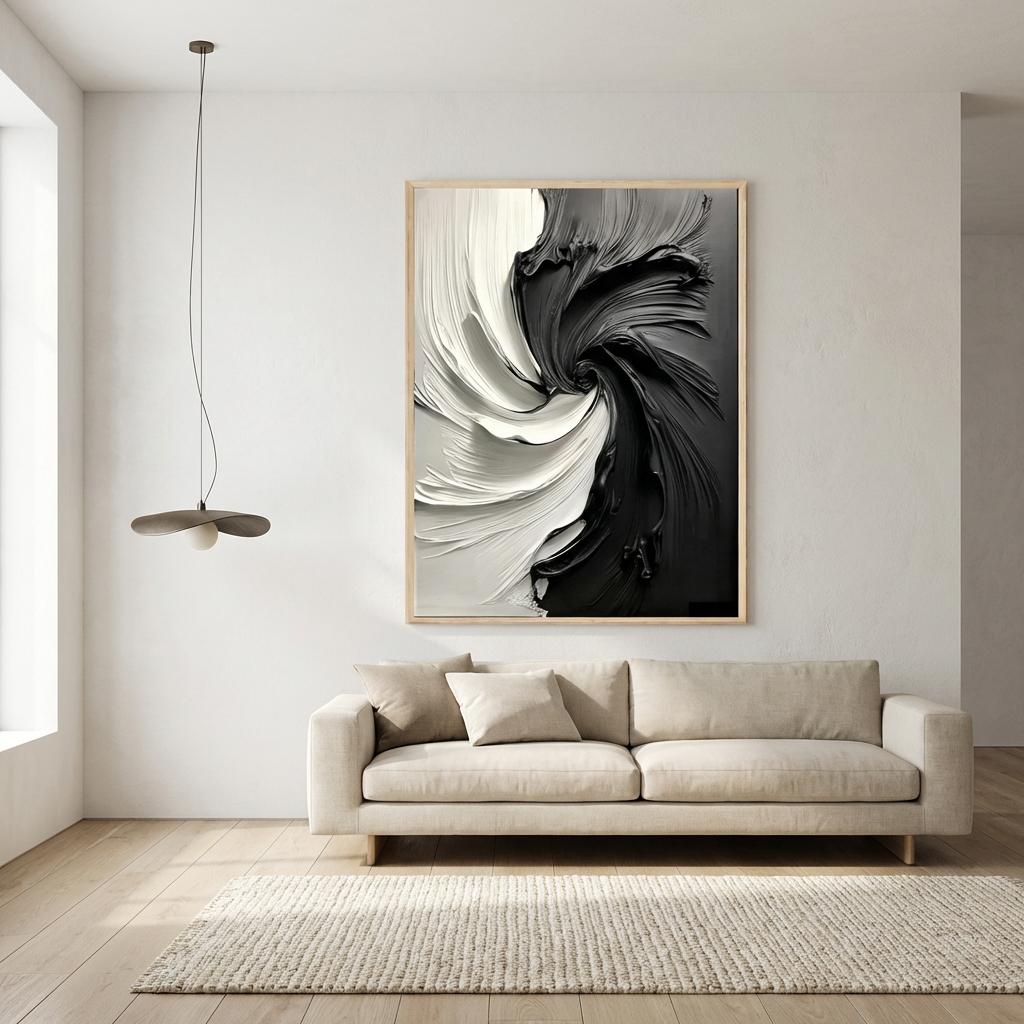
The emergence of contemporary art is mostly agreed by critics and historians to be marked by the advent of abstract expressionism, with Jackson Pollock as a key figure. Contemporary artists started to shift away from the image itself and its surface meaning, focusing instead on the ideas and concepts behind the artwork. For Pollock, his paint splashes were indicative of his inner mind and emotions.
Contemporary art initiated a conversation between the artist and the audience, making the art a discussion. Therefore, rather than the audience deciphering meaning, the work is often about meaning itself. This quiet, introspective philosophy perfectly aligns with the natural, zen-like essence conveyed in our Wabi Sabi Art collection.
Different Art Movements and Styles
Within each era are movements and styles operating within the parameters of the central concepts described above.
For example, the modern period witnessed movements such as Impressionism, Abstraction, Cubism, and Surrealism; while contemporary art includes Pop art, Post-Impressionism, installation, and performance art.
And remember the key takeaway: contemporary artists completely can (and do) create art that’s "modern in style." But while the style may be modern, the artwork itself is not modern art. See? Potato-tomato!
Find Your Art Memory
Whether you lean towards the visual breakthroughs of modern art or the conceptual expressions of contemporary art, our mission at Rosemary Art remains the same: to preserve memory and love in every handmade stroke, creating timeless pieces that connect people and inspire beauty.
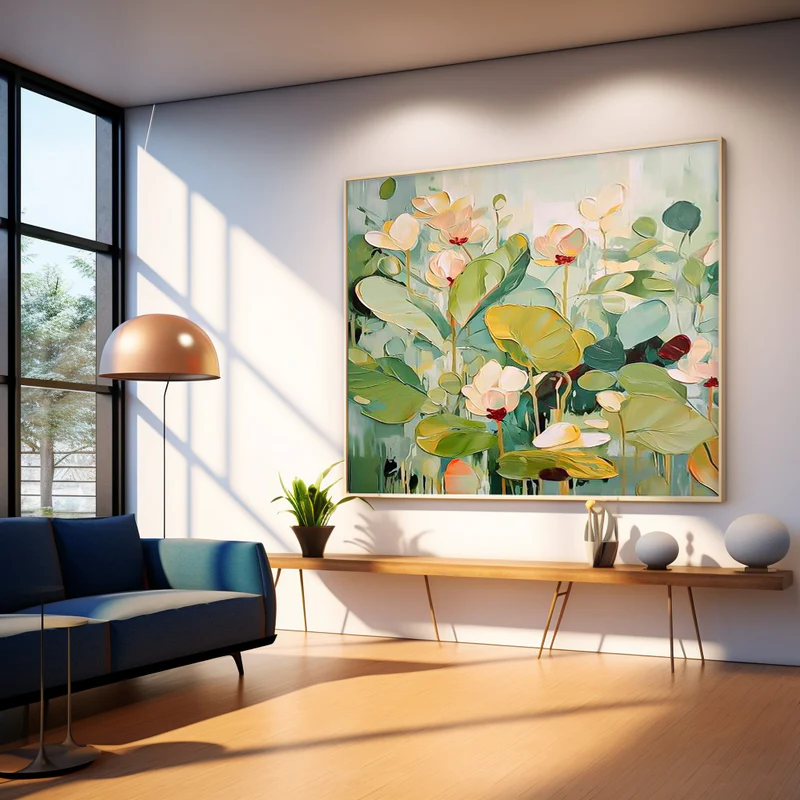
Art belongs in your everyday life. Why not explore our Ocean Wall Art or Floral Wall Art, or pick a romantic piece of Love Art and an elegant Ballerina Painting for your loved ones? Let every painting become the warm centerpiece of your home.