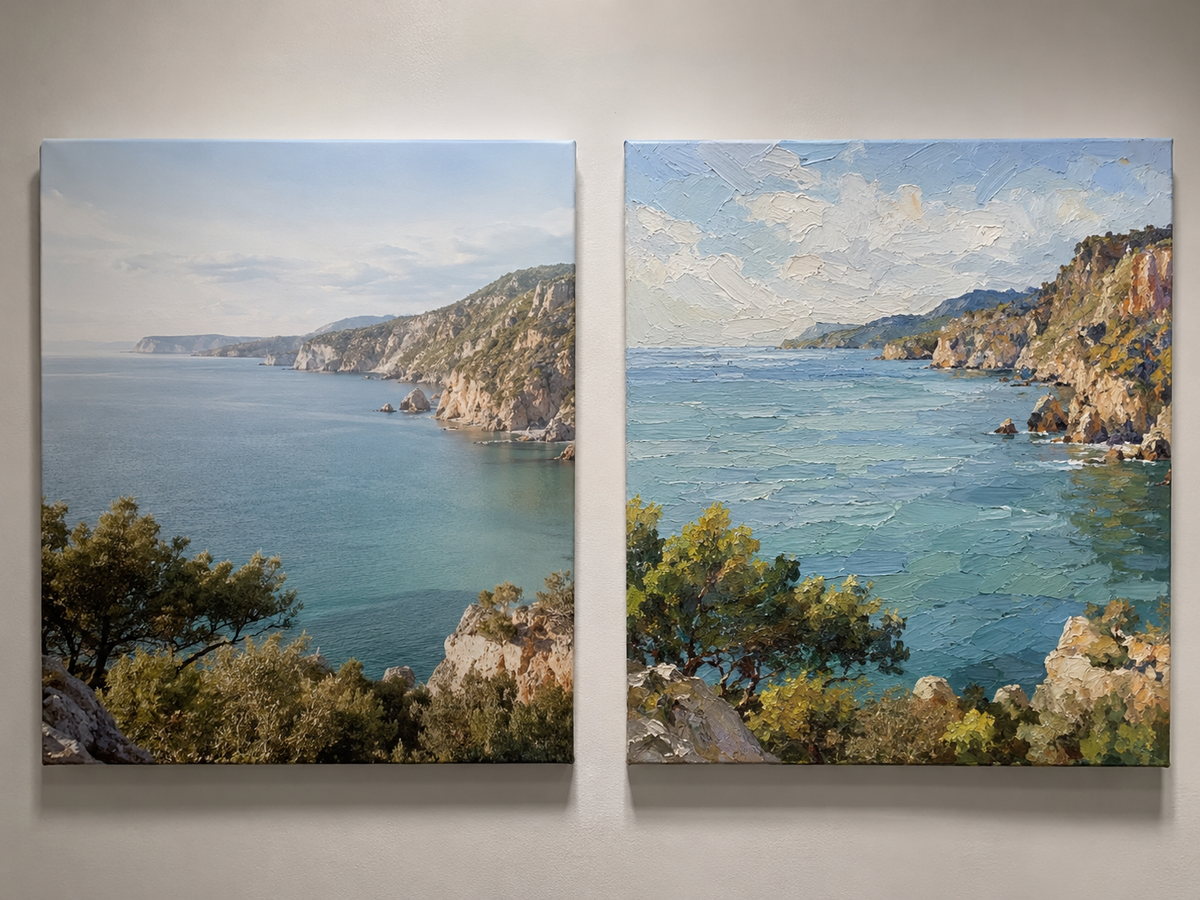
Why Textured Wall Art Is Trending in 2026

Gone are the days of flat, glossy prints and cold white walls. Textured wall art—pieces with raised brushstrokes, plaster finishes, wood layers, or woven fibers—has become the most requested home decor trend of 2026. Why? Because texture makes a house feel like home.
In this guide, you’ll learn why texture is taking over, how to choose the right piece, and where to find 3D wall art that truly transforms your space.
👉 Explore the full collection at Rosemary Art.
What Exactly Is Textured Wall Art?

Textured wall art refers to any artwork that goes beyond a flat 2D surface. It includes:
-
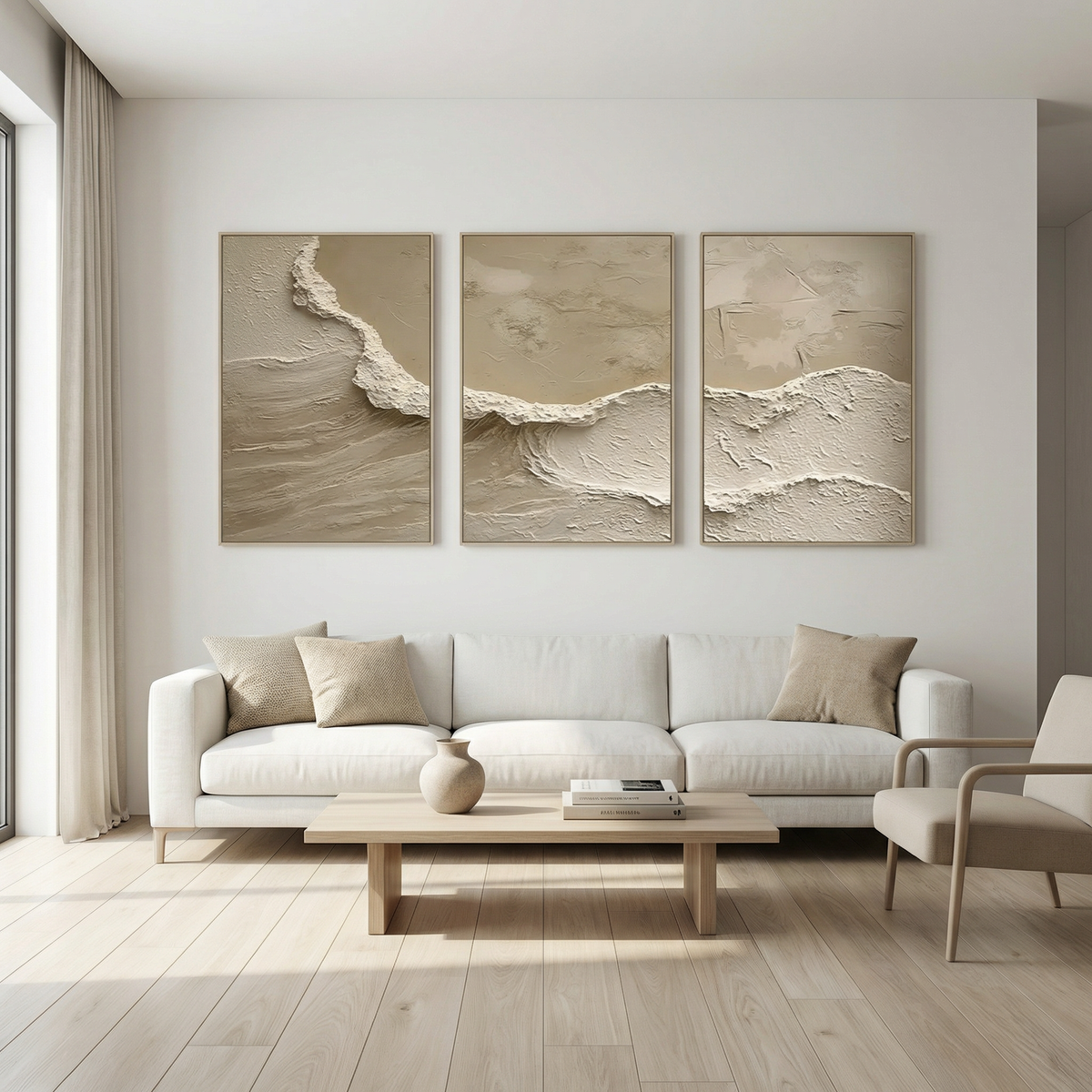
Plaster art on canvas
-
Mixed-media collages (fabric, paper, sand)
-
Wood grain prints and carved panels
-
Woven fiber and macramé hangings
-
Sculptural abstract pieces with visible depth
These pieces catch light differently throughout the day, create real shadows, and invite you to feel the surface—even from across the room.
Why Is Textured Wall Art Trending Right Now?
Three clear reasons drive the trend:
1. People Are Tired of Digital Overload
After hours of staring at bright, flat screens, our brains crave organic, tactile relief. According to interior psychologists, textured surfaces reduce stress and create a grounding effect—making rooms feel safer and more peaceful.
2. Cold Minimalism Is Out – Warm Layering Is In
2026 design reports from Homes & Gardens confirm: stark white and gray are being replaced by earthy neutrals (olive, terracotta, deep brown) paired with layered textures.
3. It Adds Perceived Value
Market data shows that homes with textured wall art feel 27% more valuable and atmospheric compared to those with flat prints alone.
What Benefits Does Textured Wall Art Bring?
| Benefit | How It Helps Your Home |
|---|---|
| Instant depth | Turns a flat wall into a focal point |
| Sound softening | Reduces echo in open-plan rooms |
| Warmth without clutter | Adds coziness without extra furniture |
| Emotional calm | Soft textures lower mental fatigue |
| Design versatility | Works with organic modern, Japandi, boho, soft minimalism |
“Texture is the easiest way to make a room feel lived-in and intentional—not staged.” — StyleBlueprint
Which Rooms Work Best With Textured Wall Art?

-
Living room – One large statement piece anchors the sofa wall.
-
Bedroom – Gentle, flowing textures (plaster or linen-look) promote rest.
-
Home office – Subtle 3D effects add focus without distraction.
-
Hallway / entry – High-dimension pieces create a memorable first impression.
How to Choose the Right Textured Piece (Quick Guide)
-
Scale – Aim for 60–75% of the wall width above furniture.
-
Color – Stick to 2026’s warm earthy palette: olive, terracotta, moody blue, softened plum.
-
Material – Plaster for elegance, wood for organic warmth, mixed-media for storytelling.
-
Lighting – Natural or warm accent light makes texture “come alive.”
👉 Need inspiration? Browse handmade textured canvas at Rosemary Art.
FAQ – Textured Wall Art Questions Answered
Q1: Is textured wall art just a short-term trend?
A: No. Designers now call texture “essential.” It’s tied to long-term shifts toward wellbeing, nature, and authenticity.
Q2: Does it work in small rooms?
A: Yes. One medium-sized textured piece adds more depth than a large busy print. Just avoid overcrowding.
Q3: How do I clean textured art?
A: Use a soft microfiber cloth or feather duster every few weeks. Avoid water on plaster or fabric pieces.
Q4: Is textured art more expensive than flat prints?
A: Generally yes, because of handmade techniques. But one statement textured piece often replaces several smaller flat ones, balancing cost.
Q5: Can I mix textured art with framed photos?
A: Absolutely. Create a gallery wall: start with one textured anchor piece, then add flat prints and small sculptures that share a color tone.
Q6: Where can I buy quality textured wall art?
A: Specialized art brands like Rosemary Art offer handcrafted plaster and mixed-media canvases designed for modern interiors.
Final Tip: Start Small, Then Go Bold
You don’t need to redo your whole home. Start with one textured wall art piece in your living room or bedroom. Notice how the room feels warmer, more personal, and less “digital.” Once you feel the difference, you’ll understand why this trend is here to stay.
Ready to add texture to your walls?
Explore Rosemary Art for unique, handmade 3D wall art that brings warmth and character to every room.